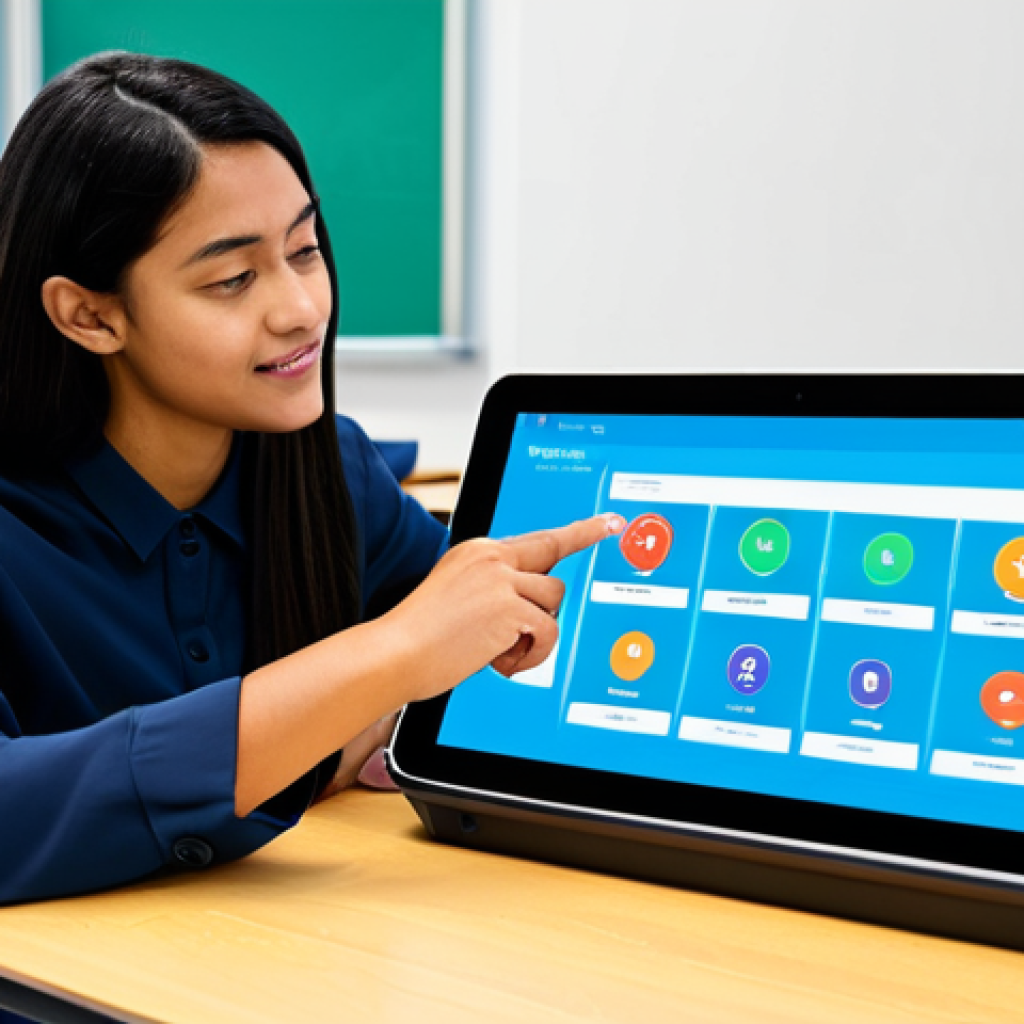
The realm of digital education is rapidly evolving, presenting both incredible opportunities and significant challenges. From interactive learning platforms to AI-powered tutoring systems, the landscape is brimming with innovation.
I’ve seen firsthand how these technologies can transform the learning experience, but successful implementation hinges on careful planning and a deep understanding of pedagogical principles.
Think about it – simply throwing technology at a problem isn’t the solution; it’s about integrating it thoughtfully to enhance teaching and learning. The latest trends suggest a move towards personalized learning paths and gamified educational experiences, promising a more engaging and effective way to learn.
Let’s delve deeper into how to make digital education truly work. Let’s uncover the details in the article below!
Digital education is rapidly evolving, presenting both incredible opportunities and significant challenges. From interactive learning platforms to AI-powered tutoring systems, the landscape is brimming with innovation.
I’ve seen firsthand how these technologies can transform the learning experience, but successful implementation hinges on careful planning and a deep understanding of pedagogical principles.
Think about it – simply throwing technology at a problem isn’t the solution; it’s about integrating it thoughtfully to enhance teaching and learning. The latest trends suggest a move towards personalized learning paths and gamified educational experiences, promising a more engaging and effective way to learn.
Let’s delve deeper into how to make digital education truly work.
Embracing Adaptive Learning Technologies

Adaptive learning is revolutionizing how we approach education. Instead of a one-size-fits-all model, these technologies tailor the learning experience to the individual student’s needs and pace.
I remember when I first started using adaptive software in my classroom. Initially, I was skeptical, but the results were astounding. Students who had previously struggled began to thrive, and the overall engagement level soared.
It’s like having a personal tutor for every student, constantly adjusting the difficulty and content to maximize learning.
Personalized Learning Paths
Adaptive learning platforms create personalized learning paths based on the student’s current knowledge level and learning style. The system assesses what the student knows and identifies areas where they need more support.
From there, it creates a tailored curriculum that focuses on filling those gaps. I’ve found that this approach not only helps students grasp concepts more quickly but also boosts their confidence, making them more willing to tackle challenging subjects.
This method enables you to work at your own speed and focus on the areas where you need the most help, which is a game-changer.
Real-Time Feedback and Support
One of the biggest advantages of adaptive learning is the real-time feedback it provides. Students receive immediate feedback on their work, allowing them to correct mistakes and reinforce their understanding.
Furthermore, adaptive systems often offer targeted support, such as hints, explanations, or additional practice problems, to help students overcome challenges.
I recall a student who was consistently struggling with algebra. Through adaptive learning, they received personalized feedback and targeted support that eventually led to a breakthrough.
It was incredibly rewarding to witness their progress.
Data-Driven Insights for Educators
Adaptive learning platforms also provide educators with valuable data-driven insights into student performance. Teachers can track student progress, identify areas where students are struggling, and adjust their instruction accordingly.
These insights empower teachers to make informed decisions about their teaching strategies and to provide targeted support to students who need it most.
By analyzing the data, educators can continuously refine their approach to ensure that every student receives the best possible learning experience.
Fostering Digital Literacy and Citizenship
Digital literacy is no longer a “nice-to-have” skill; it’s an essential competency for success in the 21st century. Beyond simply knowing how to use technology, digital literacy encompasses the ability to critically evaluate online information, communicate effectively in digital environments, and navigate the ethical and legal aspects of the digital world.
I believe that schools have a responsibility to equip students with these skills, preparing them to be informed, responsible, and engaged digital citizens.
Critical Evaluation of Online Information
In today’s information-saturated world, it’s crucial for students to be able to critically evaluate online information. They need to be able to distinguish between reliable sources and misinformation, to identify bias, and to assess the credibility of online content.
I often tell my students to ask themselves, “Who created this content? What is their purpose? Is the information accurate and supported by evidence?” These questions help them to approach online information with a critical eye.
Effective Communication in Digital Environments
Digital literacy also involves the ability to communicate effectively in digital environments. This includes knowing how to write professional emails, participate in online discussions, and create engaging multimedia content.
Students need to understand the nuances of online communication, such as netiquette, and to be mindful of their digital footprint. I always encourage my students to think before they post, reminding them that their online actions can have real-world consequences.
Ethical and Legal Considerations
Finally, digital literacy includes an understanding of the ethical and legal aspects of the digital world. This includes topics such as copyright, privacy, and cyberbullying.
Students need to know their rights and responsibilities as digital citizens and to understand the consequences of engaging in unethical or illegal online behavior.
I make it a point to discuss these issues with my students, emphasizing the importance of treating others with respect and acting responsibly online.
Creating Engaging and Interactive Content
The days of passive learning are over. Today’s students demand engaging and interactive content that captures their attention and stimulates their curiosity.
Whether it’s through gamification, virtual reality, or interactive simulations, there are countless ways to make learning more dynamic and immersive. I’ve found that when students are actively involved in the learning process, they’re more likely to retain information and develop a deeper understanding of the subject matter.
Gamification for Motivation
Gamification involves incorporating game-like elements into the learning experience, such as points, badges, leaderboards, and challenges. These elements can motivate students to engage with the material, track their progress, and compete with their peers.
I’ve used gamification to teach everything from math to history, and the results have been consistently positive. Students are more willing to put in the effort when they see learning as a fun and rewarding experience.
Virtual and Augmented Reality for Immersion
Virtual and augmented reality (VR/AR) offer immersive learning experiences that can transport students to different times and places. Imagine exploring ancient Rome in a virtual reality simulation or dissecting a frog using augmented reality.
These technologies can bring abstract concepts to life and make learning more memorable. While VR/AR is still relatively new to education, its potential is immense.
As the technology becomes more affordable and accessible, I expect to see it playing a more prominent role in the classroom.
Interactive Simulations for Hands-On Learning
Interactive simulations allow students to experiment with real-world scenarios and to learn from their mistakes. Whether it’s designing a bridge, running a business, or managing a city, simulations provide a safe and engaging environment for students to apply their knowledge and develop problem-solving skills.
I’ve used simulations to teach everything from science to economics, and I’ve been impressed by how much students learn through hands-on experience.
Addressing the Digital Divide
While digital education offers many benefits, it’s important to acknowledge that not everyone has equal access to technology and internet connectivity.
The digital divide – the gap between those who have access to technology and those who don’t – is a significant barrier to equitable education. Schools and communities need to work together to bridge this gap and ensure that all students have the opportunity to participate in digital learning.
Providing Affordable Access to Technology
One of the most important steps in addressing the digital divide is providing affordable access to technology. This includes ensuring that students have access to computers, laptops, and tablets, as well as reliable internet connectivity.
Many schools have implemented programs to provide students with laptops or tablets to take home, and some communities have created free Wi-Fi zones in public spaces.
These initiatives can help to level the playing field and ensure that all students have the tools they need to succeed.
Offering Digital Literacy Training for Families
In addition to providing access to technology, it’s also important to offer digital literacy training for families. Many parents and guardians are unfamiliar with technology and may not know how to support their children’s digital learning.
By offering workshops and training sessions, schools can empower families to become active partners in their children’s education. I’ve seen firsthand how much of a difference it makes when families are engaged and supportive of digital learning.
Advocating for Policies That Promote Equity
Finally, it’s important to advocate for policies that promote equity in digital education. This includes policies that support funding for technology in schools, expand access to affordable internet connectivity, and promote digital literacy training for all.
By working together, educators, policymakers, and community leaders can create a more equitable and inclusive digital learning environment for all students.
Data Privacy and Security

As digital education becomes more prevalent, concerns about data privacy and security are growing. Schools collect vast amounts of data about students, including their academic performance, personal information, and online activity.
It’s essential to ensure that this data is protected from unauthorized access and misuse.
Implementing Robust Security Measures
Schools need to implement robust security measures to protect student data. This includes using strong passwords, encrypting data, and regularly updating software.
It’s also important to have clear policies and procedures in place for handling data breaches. I’ve seen some schools that have implemented two-factor authentication and biometric security measures to further protect student data.
Ensuring Compliance with Privacy Regulations
Schools must comply with privacy regulations, such as the Family Educational Rights and Privacy Act (FERPA) and the Children’s Online Privacy Protection Act (COPPA).
These laws protect student privacy and limit the collection and use of student data. Schools should have clear policies in place for complying with these regulations and should train staff on how to handle student data responsibly.
Transparency and Parental Control
Parents should have access to their children’s data and should have the ability to control how it is used. Schools should be transparent about their data collection practices and should provide parents with the opportunity to opt out of certain data collection activities.
I believe that parental involvement is crucial for ensuring that student data is protected and used responsibly. Here’s a table summarizing the key aspects of digital education:
| Aspect | Description | Benefits | Challenges |
|---|---|---|---|
| Adaptive Learning | Personalized learning paths based on individual needs. | Improved engagement, faster learning, and personalized feedback. | Initial setup complexity, data privacy concerns. |
| Digital Literacy | Skills to critically evaluate online information and communicate effectively. | Informed citizens, effective communicators, responsible digital behavior. | Keeping up with rapid technological changes, ensuring relevance. |
| Interactive Content | Engaging content using gamification, VR/AR, and simulations. | Increased motivation, deeper understanding, memorable experiences. | High development costs, technical skills required. |
| Digital Divide | Unequal access to technology and internet connectivity. | Equitable access to education, reduced inequality. | High costs of infrastructure, policy implementation challenges. |
| Data Privacy & Security | Protecting student data from unauthorized access and misuse. | Ensuring student privacy, maintaining trust, complying with regulations. | Complex security measures, compliance costs. |
The Role of Teachers in a Digital World
It’s a common misconception that technology will replace teachers. In reality, technology enhances the role of teachers, allowing them to be more effective facilitators of learning.
Teachers are the ones who can guide students, provide personalized support, and foster critical thinking skills. Technology is simply a tool that can help them do their job more effectively.
Facilitating Learning, Not Just Delivering Content
In a digital world, teachers are no longer just deliverers of content. They are facilitators of learning, guiding students through the vast sea of information and helping them to make sense of it all.
Teachers need to be able to curate content, design engaging learning experiences, and provide personalized support to students. This requires a shift in mindset and a willingness to embrace new pedagogical approaches.
Providing Personalized Support and Guidance
While technology can provide personalized learning experiences, it cannot replace the human element of teaching. Teachers are the ones who can provide personalized support and guidance to students, helping them to overcome challenges and reach their full potential.
Teachers can also build relationships with students, fostering a sense of community and belonging in the classroom.
Fostering Critical Thinking and Creativity
Finally, teachers play a crucial role in fostering critical thinking and creativity. In a digital world, it’s more important than ever for students to be able to think critically, solve problems, and create new things.
Teachers can design learning experiences that challenge students to think outside the box, to question assumptions, and to develop their own unique ideas.
Future Trends in Digital Education
Digital education is constantly evolving, and it’s important to stay abreast of the latest trends and developments. Some of the trends that I’m most excited about include the rise of AI-powered tutoring systems, the increasing use of blockchain technology in education, and the growing emphasis on personalized learning.
These trends have the potential to transform education in profound ways.
AI-Powered Tutoring Systems
AI-powered tutoring systems can provide personalized feedback and support to students, adapting to their individual needs and learning styles. These systems can identify areas where students are struggling and can provide targeted interventions to help them overcome challenges.
While AI cannot replace human teachers, it can be a valuable tool for supplementing instruction and providing personalized support.
Blockchain Technology for Secure Credentials
Blockchain technology can be used to create secure and verifiable digital credentials, such as diplomas and certificates. This can help to prevent fraud and ensure that students receive credit for their accomplishments.
Blockchain can also be used to track student progress and to create personalized learning pathways.
Emphasis on Personalized Learning
The future of digital education is all about personalized learning. As technology becomes more sophisticated, we’ll be able to create even more personalized learning experiences that cater to the individual needs and interests of each student.
This will require a shift in mindset from a one-size-fits-all approach to a more individualized approach to education. Embracing these shifts, I’m truly excited about the future of digital education.
It’s not just about technology; it’s about creating more engaging, effective, and equitable learning experiences for all students. The journey won’t be without its challenges, but the potential to transform education is undeniable.
In Conclusion
As we navigate the evolving world of digital education, it’s clear that technology serves as a powerful tool for enhancing learning. My experiences have shown me that embracing adaptive technologies, fostering digital literacy, and creating engaging content are crucial steps. Let’s continue to bridge the digital divide and prioritize data privacy to ensure a bright future for all learners.
The future of education lies in thoughtfully integrating these advancements to create a more personalized, effective, and equitable learning journey for every student.
It’s about creating opportunities for everyone to thrive in an increasingly digital world.
Useful Tips
1. Explore Free Online Courses: Platforms like Coursera and edX offer a wealth of free courses that can help you upskill and learn new subjects at your own pace.
2. Utilize Educational Apps: There are numerous apps designed to make learning fun and interactive, whether you’re learning a new language with Duolingo or mastering math with Khan Academy.
3. Join Online Learning Communities: Connect with other learners in online forums and communities to share ideas, ask questions, and collaborate on projects. Reddit and Discord are great places to start.
4. Take Advantage of Library Resources: Your local library offers access to ebooks, online databases, and educational programs that can support your digital learning journey.
5. Follow Educational Influencers: Stay updated on the latest trends in digital education by following educational influencers on social media platforms like YouTube, Twitter, and LinkedIn.
Key Takeaways
Adaptive Learning: Personalized learning paths and real-time feedback cater to individual student needs, enhancing engagement and understanding.
Digital Literacy: Critical evaluation of online information and effective digital communication are essential skills for navigating the modern world.
Engaging Content: Gamification, VR/AR, and interactive simulations create immersive learning experiences that capture students’ attention.
Digital Divide: Addressing the gap in access to technology and internet connectivity is crucial for ensuring equitable education opportunities.
Data Privacy & Security: Robust security measures and compliance with privacy regulations are vital for protecting student data and maintaining trust.
Frequently Asked Questions (FAQ) 📖
Q: What’s the core point about making digital education truly effective based on your experience?
A: Honestly, from what I’ve seen, just slapping tech onto education doesn’t cut it. It’s all about thoughtful integration – using these tools to enhance, not replace, good old-fashioned teaching and learning principles.
I mean, think of it like this: a fancy hammer doesn’t make you a carpenter if you don’t know how to build! It’s the same with tech in schools; it needs purpose and proper implementation.
Q: What are some of the most promising trends you’ve noticed in the digital education space recently?
A: Well, the buzz is definitely around personalized learning and gamification. I’ve been playing around with some of these platforms myself, and the idea of tailoring education to each student’s individual pace and style is pretty exciting.
And the whole gamified approach? It’s like tricking kids into learning while they think they’re just having fun – genius! It’s a win-win, really, making learning more engaging and potentially way more effective.
Q: What’s a common mistake you see happening when schools try to adopt digital education?
A: Oh, definitely failing to plan properly! Schools sometimes jump on the bandwagon without really thinking through the implications. They might buy a bunch of tablets or software without training teachers properly or considering how it fits into the curriculum.
It’s like buying a race car but not knowing how to drive – all that potential just goes to waste! The most successful implementations I’ve witnessed always start with a clear vision and a solid plan for how the technology will be used to achieve specific learning goals.
📚 References
Wikipedia Encyclopedia
구글 검색 결과
구글 검색 결과
구글 검색 결과
구글 검색 결과
구글 검색 결과