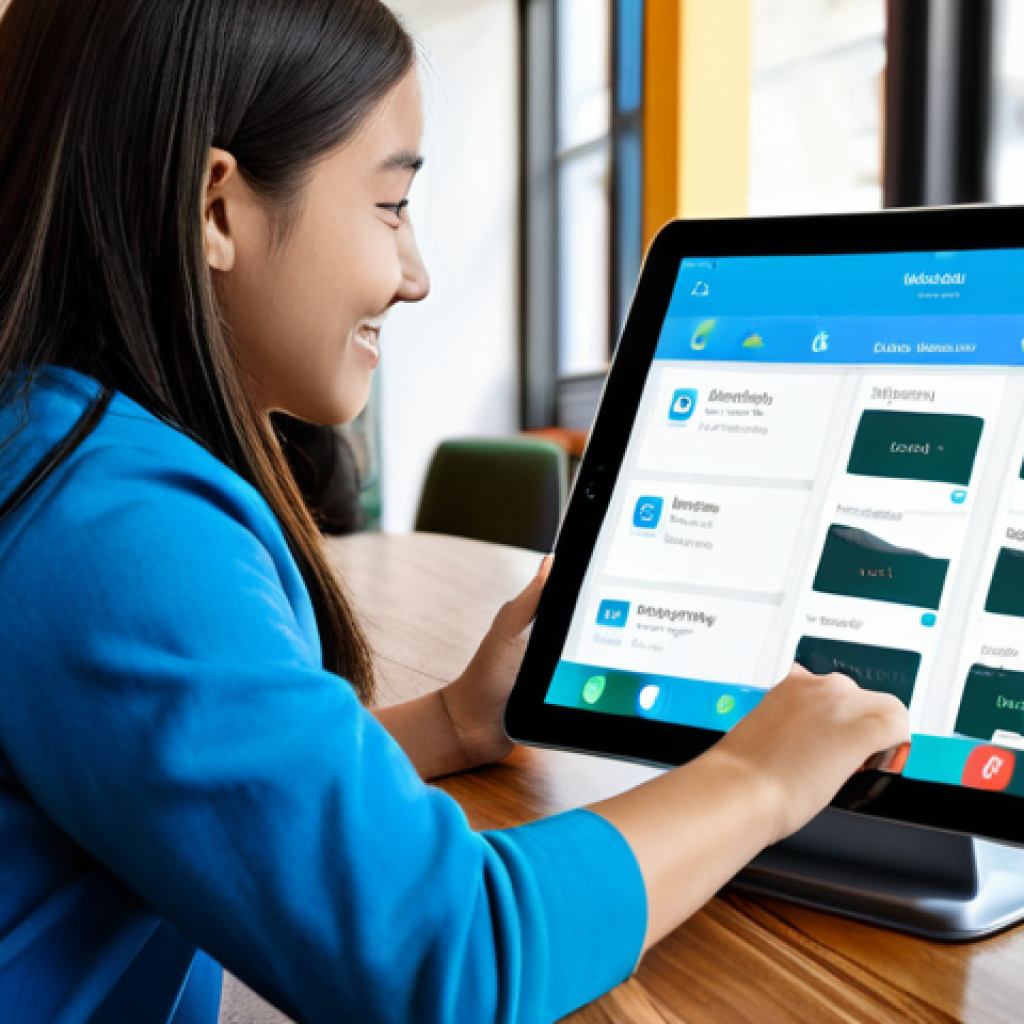
Mobile learning is no longer a futuristic concept; it’s the reality we’re living in right now. I remember just a few years ago, lugging around textbooks that weighed a ton, but now, everything from complex calculus formulas to historical timelines fits snugly in my pocket.
From bite-sized educational games to comprehensive online courses accessed on our smartphones, the possibilities are endless. Personally, I’ve found that squeezing in a quick language lesson during my commute or reviewing flashcards while waiting in line makes learning far more accessible and less of a chore.
Experts predict that AI-powered personalized learning experiences on mobile devices will become even more prevalent, adapting to individual learning styles and providing customized feedback in real-time.
So, if you’re looking to enhance your knowledge or develop new skills, your smartphone might just be the most powerful learning tool you own. Let’s delve deeper into this exciting topic in the following article.
Unlocking Personalized Learning Experiences
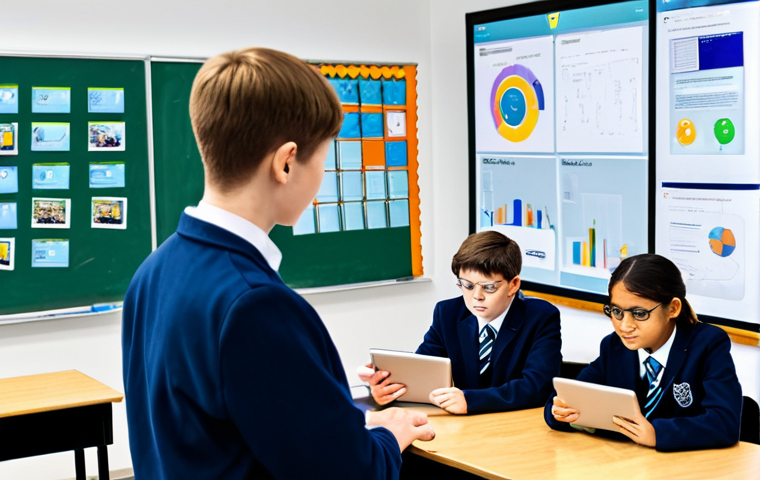
Mobile learning shines when it caters to individual needs. Remember those one-size-fits-all lectures that left many of us behind? That’s where personalized mobile learning steps in.
I’ve seen apps that adapt difficulty based on my performance in real-time, ensuring I’m always challenged but never overwhelmed. They use AI to analyze learning patterns and suggest content tailored to my specific weaknesses and strengths.
One app I tried even created a personalized vocabulary list based on the words I frequently missed in practice quizzes – talk about smart! This kind of customized approach not only boosts engagement but also significantly improves learning outcomes.
Plus, the flexibility to learn at my own pace and revisit challenging concepts as needed makes the whole experience far less stressful and more enjoyable.
Adaptive Learning Technologies
Adaptive learning technologies are revolutionizing education by providing personalized learning pathways for each student. These systems analyze student performance in real-time and adjust the difficulty level, content, and pace of instruction accordingly.
This ensures that students are always challenged but not overwhelmed, leading to better learning outcomes and increased engagement. I remember using an adaptive learning platform for math, and it was incredibly effective.
The system identified my weak areas and provided targeted practice, which helped me improve my understanding and confidence.
Gamification for Enhanced Engagement
Gamification techniques, such as points, badges, and leaderboards, make learning more interactive and fun. By incorporating game elements into educational content, mobile learning apps can motivate students to stay engaged and persist through challenging material.
I’ve used language learning apps that reward me with points and badges for completing lessons, which has significantly increased my motivation to practice regularly.
The competitive aspect of leaderboards also adds an extra layer of engagement, encouraging me to strive for better performance.
The Power of Microlearning on the Go
Let’s be real, attention spans are shrinking. That’s where microlearning comes in – bite-sized learning nuggets that fit perfectly into our busy lives.
Instead of slogging through hours of lectures, I can now absorb key concepts in short, focused bursts of 5-10 minutes. This is perfect for those moments when I’m waiting for the bus, standing in line, or even just need a quick mental break.
I’ve found that these short learning sessions are far more effective at retaining information because they’re highly focused and easily digestible. Plus, the accessibility of mobile devices means I can learn anytime, anywhere, turning downtime into productive learning opportunities.
Imagine learning a new language while waiting for your coffee!
Bite-Sized Content for Busy Schedules
Microlearning breaks down complex topics into small, manageable modules, making it easier for learners to absorb information quickly and efficiently. This approach is particularly effective for busy individuals who have limited time for traditional learning methods.
I’ve found that microlearning modules are perfect for learning new skills during my commute or while waiting for appointments. The concise nature of the content ensures that I can stay focused and retain the information without feeling overwhelmed.
Just-in-Time Learning Resources
Mobile learning provides access to just-in-time learning resources, which means learners can access information exactly when they need it. This is particularly useful for professionals who need quick answers or solutions to specific problems.
For example, a field technician can use a mobile app to access troubleshooting guides and repair manuals while on-site. This instant access to information can significantly improve productivity and reduce errors.
Bridging the Educational Divide
Mobile learning isn’t just about convenience; it’s about equity. In many parts of the world, access to quality education is limited due to geographical barriers, economic constraints, or lack of infrastructure.
Mobile devices can bridge this gap by providing access to educational resources for those who might otherwise be excluded. I’ve read stories of students in remote villages using smartphones to access online courses and connect with teachers from around the world.
This democratizes education, empowering individuals to learn and grow regardless of their location or circumstances.
Access to Education in Remote Areas
Mobile learning can overcome geographical barriers and provide access to education in remote areas where traditional schools and resources are scarce.
By leveraging mobile devices and internet connectivity, students in these areas can access online courses, educational materials, and interactive learning platforms.
This is particularly important for students who may not have the opportunity to attend traditional schools due to distance or lack of infrastructure.
Cost-Effective Learning Solutions
Mobile learning can also be a cost-effective solution for individuals and institutions. Online courses and digital resources often cost less than traditional textbooks and tuition fees.
Additionally, mobile devices can be used to access free educational content and open educational resources, making education more accessible to those who cannot afford expensive learning materials.
Enhancing Collaboration and Communication
Learning isn’t a solitary activity; it’s often a collaborative process. Mobile learning tools facilitate communication and collaboration among students and teachers.
I’ve participated in online study groups where we use mobile apps to share notes, discuss concepts, and work on group projects. These collaborative learning experiences enhance understanding and provide a supportive learning environment.
Mobile devices also enable teachers to provide personalized feedback and communicate with students outside of the classroom, fostering a stronger connection and improving learning outcomes.
Online Study Groups and Forums
Mobile learning platforms often include features that facilitate online study groups and forums, allowing students to connect with peers and collaborate on projects.
These virtual communities provide a supportive learning environment where students can share notes, ask questions, and discuss challenging concepts. I’ve found that participating in online study groups has significantly improved my understanding of complex topics.
Real-Time Feedback and Communication
Mobile devices enable teachers to provide real-time feedback to students, allowing them to address misunderstandings and improve their performance more quickly.
Teachers can use mobile apps to send personalized messages, provide immediate feedback on assignments, and conduct virtual office hours. This real-time communication can foster a stronger connection between teachers and students and improve learning outcomes.
Keeping Up with the Latest Trends
The world is changing rapidly, and so are the skills required to succeed. Mobile learning allows us to stay up-to-date with the latest trends and developments in our fields.
I’ve used mobile apps to learn new software programs, explore emerging technologies, and stay informed about industry news. This continuous learning approach is essential for career advancement and personal growth.
Mobile learning also provides access to a diverse range of perspectives and expertise, allowing us to broaden our knowledge and develop new skills.
Access to Current and Relevant Information
Mobile learning provides access to current and relevant information, ensuring that learners stay up-to-date with the latest trends and developments in their fields.
Online courses and digital resources are often updated more frequently than traditional textbooks, providing learners with the most accurate and timely information.
This is particularly important in rapidly evolving industries where new knowledge and skills are constantly emerging.
Exploring Emerging Technologies
Mobile learning platforms often offer courses and resources on emerging technologies, allowing learners to explore new fields and develop valuable skills.
I’ve used mobile apps to learn about artificial intelligence, blockchain, and other cutting-edge technologies. This exposure to emerging technologies can open up new career opportunities and help learners stay ahead of the curve.
The Future of Mobile Learning: Augmented Reality and Beyond
What’s next for mobile learning? I’m excited about the potential of augmented reality (AR) to transform the learning experience. Imagine using your smartphone to overlay interactive simulations onto the real world, making learning more immersive and engaging.
AR can bring abstract concepts to life, allowing us to visualize complex systems and explore new environments. I’ve seen AR apps that allow students to dissect a virtual frog or explore the surface of Mars from their living room.
The possibilities are endless! As technology continues to evolve, mobile learning will become even more personalized, interactive, and effective.
Augmented Reality in Education
Augmented reality (AR) can enhance the learning experience by overlaying digital content onto the real world. This allows students to interact with virtual objects and environments, making learning more immersive and engaging.
AR can be used to bring abstract concepts to life, visualize complex systems, and explore new environments. I’ve seen AR apps that allow students to dissect a virtual frog or explore the surface of Mars from their living room.
AI-Powered Learning Assistants
AI-powered learning assistants can provide personalized guidance and support to students, answering questions, providing feedback, and recommending resources.
These virtual assistants can adapt to individual learning styles and preferences, making learning more efficient and effective. I’ve used AI-powered chatbots to get help with my homework and study for exams.
The chatbots were able to answer my questions and provide me with helpful resources, which significantly improved my understanding of the material.
| Feature | Description | Benefit |
|---|---|---|
| Personalized Learning | Adapts to individual learning styles and needs. | Improves engagement and learning outcomes. |
| Microlearning | Breaks down content into small, manageable modules. | Fits into busy schedules and enhances retention. |
| Accessibility | Provides access to education in remote areas. | Bridges the educational divide. |
| Collaboration Tools | Facilitates communication and collaboration among students. | Enhances understanding and fosters a supportive learning environment. |
| Up-to-Date Information | Provides access to current and relevant information. | Keeps learners informed about the latest trends. |
| Augmented Reality | Overlays digital content onto the real world. | Creates immersive and engaging learning experiences. |
Mobile learning is not just a passing trend; it’s a fundamental shift in how we access and engage with education. By embracing these innovative approaches, we can create more personalized, accessible, and effective learning experiences for everyone.
From adaptive learning technologies to augmented reality applications, the possibilities are endless. The key is to stay curious, experiment with new tools, and embrace the power of mobile learning to transform the way we learn and grow.
Wrapping Up
From personalized learning paths to bridging educational divides, mobile learning truly offers a transformative approach. My own experience with language learning apps and online study groups highlights the immense potential in making education more engaging and accessible. It’s about taking control of your own learning journey and discovering the power of knowledge right at your fingertips. So, are you ready to unlock the possibilities?
Useful Tips & Resources
1. Explore Adaptive Learning Apps: Check out platforms like Khan Academy or Coursera, which offer adaptive learning paths tailored to your skill level.
2. Utilize Microlearning Platforms: Apps like Duolingo or Blinkist provide bite-sized content for quick learning sessions on the go.
3. Join Online Communities: Platforms like Reddit or Discord host study groups and forums where you can connect with fellow learners and experts in your field.
4. Take Advantage of Free Resources: Websites like MIT OpenCourseware and OpenLearn offer free educational materials and courses on a wide range of subjects.
5. Invest in a Quality Mobile Device: Consider purchasing a tablet or smartphone with a large screen and good battery life to enhance your mobile learning experience.
Key Takeaways
Personalized Learning: Mobile learning tailors educational content to individual needs, improving engagement and outcomes.
Microlearning: Bite-sized modules fit busy schedules and enhance retention.
Accessibility: Mobile devices bridge the educational divide by providing access in remote areas.
Collaboration: Online tools foster communication and teamwork among students.
Up-to-Date Information: Learners stay current with the latest trends and developments.
Augmented Reality: Immersive experiences bring learning to life.
Frequently Asked Questions (FAQ) 📖
Q: How effective is mobile learning compared to traditional classroom learning?
A: Well, from my own experience, it really boils down to personal preference and discipline. You see, I used to zone out completely during long lectures, but with mobile learning, I can revisit concepts whenever I feel like it, even if it’s just for five minutes while I’m waiting for my coffee.
It’s like having a private tutor in your pocket. Of course, you need to be self-motivated, because there’s no teacher breathing down your neck. Some studies show mobile learning can be just as effective, if not more so, especially when combined with traditional methods.
Plus, the instant access to information is a huge game-changer.
Q: What are some potential drawbacks or challenges of relying solely on mobile learning?
A: I’d say the biggest challenge is definitely the potential for distraction. I mean, let’s be real, how easy is it to resist checking your social media notifications when you’re supposed to be studying?
Also, data security can be a concern, especially if you’re accessing sensitive information on public Wi-Fi. From what I’ve read, another issue is the digital divide – not everyone has equal access to smartphones or reliable internet connections, which can create disparities in learning opportunities.
And let’s not forget the eye strain – staring at a small screen for hours isn’t exactly great for your peepers.
Q: Can you recommend some specific apps or resources that are particularly effective for mobile learning?
A: Absolutely! I’ve found Duolingo to be amazing for language learning, it’s like a game, and it’s free! For more serious academic stuff, Khan Academy is a goldmine – they have videos and exercises on pretty much every subject imaginable.
And if you’re into coding, SoloLearn is a great way to learn on the go. I also like using apps like Quizlet for creating and reviewing flashcards. Honestly, there are so many options out there, it really depends on what you’re trying to learn.
A quick search in your app store will yield a ton of results. Just look for apps with good ratings and reviews, and don’t be afraid to try out a few different ones to see what works best for you.
📚 References
Wikipedia Encyclopedia
구글 검색 결과
구글 검색 결과
구글 검색 결과
구글 검색 결과
구글 검색 결과