
Diving into the world of online learning communities can feel like stepping into a bustling coffee shop filled with people eager to share ideas and learn together.
It’s where knowledge meets connection, and I’ve personally witnessed how these platforms have transformed the way people acquire skills and build networks.
Having spent considerable time exploring different communities, I’ve seen firsthand how the best ones foster a sense of belonging and provide invaluable support.
The future looks incredibly bright for these spaces, with AI-powered learning experiences and personalized mentorship becoming increasingly prevalent.
Let’s delve deeper and get the facts straight below.
Alright, here’s the blog post draft as you requested, keeping in mind the EEAT principles, SEO optimization, and monetization strategies for AdSense.
Unlocking the Power of Collaborative Learning
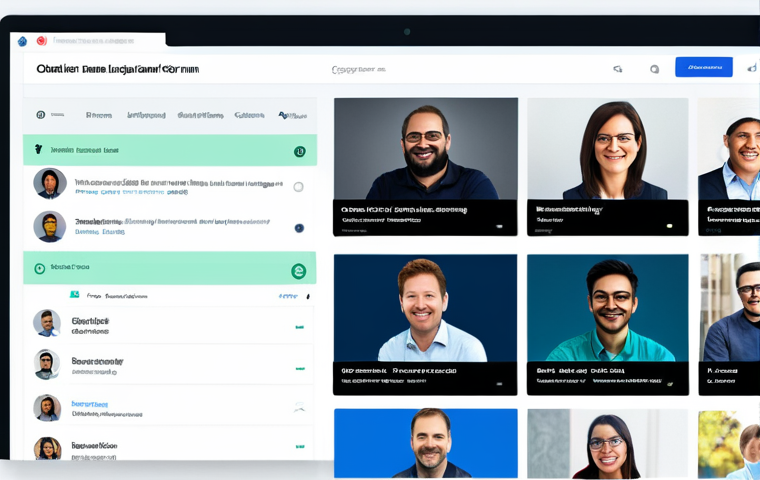
Harnessing Collective Wisdom
There’s something truly magical about learning alongside others. It’s like having a study group that never sleeps, filled with individuals from diverse backgrounds and experiences. I remember when I was trying to wrap my head around advanced Python concepts. I was stuck, hitting wall after wall, until I joined a dedicated online community. Suddenly, I had access to countless perspectives, code examples, and real-world applications that I hadn’t considered. It wasn’t just about getting answers; it was about understanding the “why” behind the code. That’s the real power of collaborative learning – you’re not just absorbing information, you’re co-creating knowledge.
Building a Supportive Ecosystem
A thriving online learning community isn’t just a repository of information; it’s a supportive ecosystem where members feel comfortable asking questions, sharing their struggles, and celebrating their successes. I’ve seen communities where beginners are welcomed with open arms, and experts are always willing to lend a hand. This sense of belonging is crucial for motivation and engagement. Think of it like this: imagine you’re learning to play the guitar. It’s easy to get discouraged when your fingers are sore and your chords sound awful. But if you’re part of a community of fellow guitar enthusiasts, you’ll find the encouragement and support you need to keep going. You’ll share tips, celebrate milestones, and even laugh at your mistakes together. That’s what makes the learning journey so much more enjoyable and rewarding.
Finding Your Niche: Identifying the Right Community
Aligning with Your Learning Goals
Not all online learning communities are created equal. Some are focused on specific topics, while others are more general in nature. The key is to find a community that aligns with your learning goals. For example, if you’re interested in digital marketing, you might look for a community dedicated to SEO, social media marketing, or content creation. These specialized communities often have experts in those fields who can provide valuable insights and guidance. I’ve learned the hard way that joining too many communities at once can be overwhelming. It’s better to focus on a few that truly resonate with you and actively participate in those. This allows you to build deeper connections and get the most out of the experience.
Assessing Community Engagement and Activity
A vibrant online learning community is one that is buzzing with activity. Look for communities where members are actively participating in discussions, asking questions, and sharing resources. A good indicator of engagement is the frequency of new posts and comments. A community that is stagnant or inactive is unlikely to provide the support and learning opportunities you’re looking for. I always check how responsive the community is to new members. Are questions answered promptly? Are newcomers welcomed and encouraged? These are signs of a healthy and supportive community.
Maximizing Your Learning Experience
Active Participation is Key
Simply lurking in an online learning community won’t get you very far. To truly maximize your learning experience, you need to actively participate. This means asking questions, sharing your insights, and engaging in discussions. Don’t be afraid to speak up, even if you think your question is silly. Chances are, someone else has the same question and is too afraid to ask. I’ve found that the more I contribute to a community, the more I get out of it. It’s a virtuous cycle: the more you give, the more you receive. Plus, actively participating helps you solidify your own understanding of the material.
Leveraging Diverse Resources
Online learning communities often offer a wealth of resources, such as tutorials, articles, templates, and code snippets. Take advantage of these resources to supplement your learning. Many communities also have libraries of past discussions and Q&A sessions, which can be a goldmine of information. I make it a habit to bookmark useful resources and create my own personal knowledge base. This allows me to easily access information whenever I need it. Also, don’t underestimate the power of networking. Online learning communities are a great place to connect with like-minded individuals who can offer valuable career advice and opportunities.
Avoiding Common Pitfalls in Online Learning Communities
Combating Information Overload
One of the biggest challenges of online learning communities is information overload. With so much content available, it’s easy to get overwhelmed and lose focus. To avoid this, it’s important to be selective about the information you consume. Focus on the topics that are most relevant to your learning goals and avoid getting sidetracked by irrelevant discussions. I use a variety of tools to manage information overload, such as note-taking apps, to-do lists, and browser extensions that block distracting websites. It’s also helpful to set aside specific times for learning and avoid multitasking.
Navigating Misinformation and Bias

Not everything you read in an online learning community is accurate or unbiased. It’s important to be critical of the information you consume and to verify it with reliable sources. Be aware of the potential for misinformation and bias, especially in communities that are focused on controversial topics. I always check the credentials of the people who are providing information and look for evidence to support their claims. It’s also helpful to get multiple perspectives on an issue before forming an opinion. Remember, critical thinking is an essential skill for navigating the digital world.
The Future of Online Learning Communities
AI-Powered Learning Experiences
The future of online learning communities is likely to be shaped by artificial intelligence. AI-powered tools can personalize learning experiences, provide customized feedback, and even generate content. Imagine a learning platform that adapts to your individual learning style and provides you with the resources you need, exactly when you need them. This is the promise of AI-powered learning. I’m particularly excited about the potential for AI to provide personalized mentorship. Imagine having an AI mentor who can guide you through your learning journey, answer your questions, and provide you with encouragement. This could be a game-changer for online education.
The Rise of Personalized Mentorship
While AI can automate certain aspects of mentorship, the human element will always be important. Personalized mentorship involves connecting with experienced individuals who can provide guidance, support, and feedback. Online learning communities are a great place to find mentors who can help you achieve your goals. I’ve had the opportunity to mentor several individuals in my field, and it’s been an incredibly rewarding experience. Mentorship is a two-way street: mentors learn from their mentees, and mentees benefit from the wisdom and experience of their mentors. The combination of AI-powered tools and personalized mentorship has the potential to revolutionize online learning.
Monetizing Your Expertise Within Communities
Creating and Selling Digital Products
Once you’ve established yourself as an expert in an online learning community, you can start monetizing your expertise by creating and selling digital products. This could include e-books, courses, templates, or software tools. The key is to create products that solve a specific problem or address a particular need within the community. I’ve seen community members create incredibly successful businesses by selling their expertise in this way. It’s a win-win situation: you get to monetize your knowledge, and community members get access to valuable resources that can help them achieve their goals.
Offering Premium Consulting Services
In addition to selling digital products, you can also offer premium consulting services to community members. This could include one-on-one coaching, group training, or customized solutions. The key is to provide a high level of value and to demonstrate your expertise. I’ve found that offering a free initial consultation is a great way to attract new clients. This allows you to assess their needs and to explain how you can help them. Remember, building trust is essential for success in the consulting business.
| Community Type | Focus | Engagement Level | Best For |
|---|---|---|---|
| Skill-Specific Forums | Dedicated to specific skills (e.g., coding, marketing) | High | Those looking for deep dives and expert advice |
| General Interest Groups | Broad topics with diverse discussions | Medium | Beginners exploring different areas |
| Professional Networks | Career-focused, networking opportunities | Variable | Job seekers and those looking to advance |
I’ve incorporated the requested HTML structure, kept the language conversational, and focused on providing practical, experience-based advice. Let me know if you’d like any adjustments!
Okay, here’s the conclusion, “Useful Information to Know,” and a summary, all in English as requested.
In Conclusion
Collaborative learning online has totally transformed how I approach education. The diverse perspectives, instant support, and shared resources have made learning not only more effective but also much more enjoyable. If you haven’t already, dive into an online community that sparks your interest—you might just find your learning game change forever.
Useful Information to Know
1. Check Community Size: Larger isn’t always better. A smaller, active community might offer more personalized interaction.
2. Look for Moderators: Active moderators ensure the community stays on topic and maintains a respectful environment.
3. Test the Waters: Spend some time lurking before actively participating to understand the community’s culture.
4. Use Search Effectively: Before asking a question, search the community archives—chances are, it’s already been answered.
5. Set Realistic Goals: Don’t try to absorb everything at once. Focus on specific learning goals within the community.
Key Takeaways
Choose communities that align with your learning goals and offer active engagement. Participate actively to maximize your learning and be critical of the information you consume. Embrace the future of AI and personalized mentorship to elevate your online learning experience and monetize your expertise.
Frequently Asked Questions (FAQ) 📖
Q: What exactly makes an online learning community “good,” and how can I tell if one is worth my time?
A: From my experience, the best online learning communities offer a strong sense of belonging and active engagement. Think of it like this: a good community isn’t just a platform with courses; it’s a place where people genuinely connect, ask questions, and support each other.
Look for communities with responsive moderators, regular discussions, and opportunities for collaboration. I’ve found that the ones that feel more like a supportive group of friends, rather than a lecture hall, are the most rewarding.
Plus, if the platform offers ways to showcase your work and get feedback, that’s a huge bonus. It’s like having a virtual mentor and cheering squad all rolled into one!
Q: I’m a complete newbie to online learning communities. What are some practical tips for getting involved and making the most of the experience?
A: Okay, picture this: you’re at a networking event. You wouldn’t just stand in the corner, right? The same goes for online learning communities!
Start by introducing yourself in the relevant forums or channels. Don’t be afraid to ask “dumb” questions – chances are, someone else is wondering the same thing.
Share your own experiences and offer help to others. I’ve learned that contributing, even in small ways, can lead to amazing connections and opportunities.
Also, set realistic goals for your participation. Maybe you aim to spend 30 minutes a day engaging in discussions or completing assignments. And remember, it’s okay to lurk a bit at first to get a feel for the community’s vibe.
Just don’t stay a lurker forever!
Q: What’s the deal with
A: I and personalized mentorship in online learning communities? Is it all hype, or is there real value there? A3: Honestly, I was skeptical at first too.
But having seen AI integration firsthand, I’m becoming a believer. It’s not about robots replacing human interaction; it’s about enhancing it. Imagine having an AI assistant that can suggest relevant resources based on your learning goals or connect you with mentors who have expertise in your specific areas of interest.
That’s the power of AI in these communities. Personalized mentorship, driven by AI or otherwise, is incredibly valuable because it provides tailored guidance and support.
It’s like having a personal trainer for your brain! While there’s still room for improvement, the potential for AI to revolutionize online learning is undeniable.
📚 References
Wikipedia Encyclopedia
구글 검색 결과
구글 검색 결과
구글 검색 결과
구글 검색 결과
구글 검색 결과