
The vast expanse of the internet offers a treasure trove of learning resources, from interactive online courses to sprawling digital libraries and niche expert blogs.
It’s like having a university library, a masterclass, and a personal tutor all rolled into one, accessible 24/7. But with so much information out there, how do you navigate the digital landscape and find exactly what you need to boost your skills or explore a new passion?
Personally, I’ve found that curating my own personalized learning journey, drawing from various sources, has been incredibly effective. Let’s delve deeper and explore this rich world of online learning resources more precisely!
Okay, I understand. Here’s the blog post content as requested:
Embracing Skillshare and Beyond: Platforms Offering Creative and Professional Growth

Skillshare, with its vast library of creative courses, was a game-changer for me when I was trying to up my photography skills. But it’s just one piece of the puzzle.
There’s a whole universe of platforms out there, each offering unique ways to learn and grow, whether you’re looking to master a new software, pick up a business skill, or explore a creative hobby.
It’s about finding the right fit for your learning style and goals. The key is to explore, experiment, and find what resonates with you.
Diving into the Niche: Finding Courses Tailored to Your Interests
Think beyond the big names. Numerous smaller platforms focus on specific skills or industries. For example, if you’re into filmmaking, sites like MZed offer in-depth courses taught by industry professionals.
Love coding? Check out websites such as LeetCode. These niche platforms often provide a more focused and personalized learning experience, allowing you to deep-dive into your area of interest.
Leveraging University Resources: Free and Discounted Courses
Many universities now offer online courses, some of which are even free! Platforms like edX and Coursera partner with top universities to bring you high-quality education at a fraction of the cost of traditional schooling.
And don’t forget to check if your local university or community college offers online courses or workshops. You might be surprised at the resources available in your own backyard.
Don’t Underestimate YouTube: Free Learning at Your Fingertips
YouTube is a goldmine of free educational content, offering tutorials on just about anything you can imagine. From learning how to play the guitar to mastering the basics of graphic design, you can find countless hours of instruction on YouTube.
The key is to be discerning and seek out reputable creators with a proven track record.
Podcasts and Audiobooks: Learning on the Go
I’m a big fan of multitasking, and podcasts and audiobooks are perfect for learning while commuting, exercising, or doing chores. There are podcasts dedicated to just about every subject imaginable, from history and science to business and personal development.
Audiobooks offer a more in-depth learning experience, allowing you to dive deep into a particular topic. Audible is the major player in this space, but remember to check out your local library, which may offer free audiobook rentals!
Podcasts as Micro-Learning Moments
Podcasts have become my go-to source for bite-sized learning. Whether I’m walking my dog or stuck in traffic, I can always squeeze in an episode and learn something new.
There are so many amazing podcasts out there covering a wide range of topics, from marketing and tech to history and true crime.
Audiobooks for Deep Dives
For more in-depth learning, I turn to audiobooks. It’s a fantastic way to immerse yourself in a subject while you’re doing something else. The best part is that your local library probably offers a wide selection of audiobooks for free!
Language Learning Through Audio Immersion
Learning a new language? Audio resources are your best friend. Apps like Duolingo offer audio lessons, and many podcasts and audiobooks are specifically designed for language learners.
Immersing yourself in the language through audio is a great way to improve your pronunciation and comprehension.
Building a Supportive Learning Community
Learning can be a solitary pursuit, but it doesn’t have to be. Connecting with other learners can provide encouragement, motivation, and valuable insights.
Online forums, social media groups, and local meetups are all great ways to find your tribe and share your learning journey.
Online Forums and Communities
I found a really helpful online forum dedicated to web development. It was a great place to ask questions, share my progress, and get feedback from other developers.
These communities are invaluable for troubleshooting problems and learning from others’ experiences.
Social Media Groups for Collaboration
Social media can be a powerful tool for connecting with other learners. Facebook groups, LinkedIn groups, and even Twitter chats can provide opportunities to network, collaborate, and learn from experts in your field.
Local Meetups and Workshops
Don’t forget about the power of in-person learning! Check out local meetups, workshops, and conferences in your area. These events are a great way to meet like-minded people, learn new skills, and expand your professional network.
The Power of Hands-On Projects
Theory is important, but nothing beats hands-on experience. Applying what you learn through projects is a great way to solidify your understanding and build your portfolio.
Whether it’s building a website, creating a marketing campaign, or writing a song, projects allow you to put your skills to the test and see real-world results.
Starting Small: Bite-Sized Projects for Beginners
Don’t be afraid to start small. Even simple projects can be a great way to learn the fundamentals. For example, if you’re learning to code, try building a basic calculator app or a simple website.
Scaling Up: Complex Projects for Advanced Learners
As you gain experience, challenge yourself with more complex projects. This will push you outside of your comfort zone and force you to learn new skills.
For example, if you’re a marketer, try creating a comprehensive marketing plan for a new product or service.
Showcasing Your Work: Building a Portfolio
Make sure to document your projects and create a portfolio to showcase your work. This will be invaluable when you’re looking for a job or trying to attract new clients.
Platforms like GitHub and Behance are great for showcasing your coding and design projects, respectively.
Time Management and Consistency
One of the biggest challenges of online learning is staying motivated and consistent. It’s easy to get distracted or overwhelmed, especially when you’re juggling work, family, and other commitments.
The key is to set realistic goals, create a schedule, and stick to it as much as possible.
Setting Realistic Goals: Avoiding Burnout
Be honest with yourself about how much time you can realistically dedicate to learning each week. It’s better to start small and gradually increase your commitment than to overcommit and burn out.
Creating a Schedule: Prioritizing Learning
Schedule your learning time just like you would any other important appointment. This will help you prioritize learning and make sure it doesn’t fall by the wayside.
Tracking Progress: Staying Motivated
Track your progress and celebrate your successes. This will help you stay motivated and remind you of how far you’ve come. There are many apps and tools available to help you track your learning progress, such as Habitica and Trello.
Investing in Premium Resources Wisely
While there are many free resources available, sometimes it’s worth investing in premium courses or tools. Premium resources often offer more in-depth instruction, personalized feedback, and access to exclusive communities.
However, it’s important to do your research and make sure you’re getting good value for your money.
Identifying Your Needs: Choosing the Right Resources
Before you invest in any premium resources, take some time to identify your needs and goals. What skills are you trying to learn? What are your biggest challenges?
This will help you choose the right resources and avoid wasting money on things you don’t need.
Reading Reviews: Avoiding Scams
Always read reviews before you invest in any premium resources. Look for honest, unbiased reviews from other learners. This will help you avoid scams and find the best resources for your needs.
Trying Free Trials: Testing the Waters
Many premium platforms offer free trials. Take advantage of these opportunities to test the waters and see if the platform is a good fit for you.
Staying Updated with Industry Trends
The world is constantly changing, and it’s important to stay updated with the latest industry trends. This is especially true in fields like technology and marketing, where new tools and techniques are constantly emerging.
Following Industry Leaders: Learning from the Best
Follow industry leaders on social media, subscribe to their blogs, and attend their webinars. This will help you stay informed about the latest trends and learn from the best in the business.
Attending Conferences and Webinars: Networking and Learning
Attend industry conferences and webinars to network with other professionals and learn about the latest trends. These events are a great way to stay updated and expand your knowledge.
Reading Industry Publications: Staying Informed
Subscribe to industry publications and read them regularly. This will help you stay informed about the latest news, trends, and best practices.
| Resource Type | Examples | Cost | Benefits |
|---|---|---|---|
| Online Courses | Coursera, edX, Skillshare | Free to Premium | Structured learning, certifications, diverse subjects |
| Niche Platforms | MZed, LeetCode | Typically Premium | Focused learning, industry-specific knowledge |
| University Resources | edX (University Partnerships) | Free to Discounted | High-quality education, academic rigor |
| YouTube Channels | Khan Academy, Crash Course | Free | Wide range of topics, accessible, visual learning |
| Podcasts | The Tim Ferriss Show, Marketing Over Coffee | Free | Learning on-the-go, diverse topics, expert interviews |
| Audiobooks | Audible, Local Libraries | Free to Premium | In-depth learning, convenient, language learning |
| Online Forums | Stack Overflow, Reddit (r/learnprogramming) | Free | Community support, Q&A, troubleshooting |
| Social Media Groups | Facebook Groups, LinkedIn Groups | Free | Networking, collaboration, expert advice |
Okay, I understand. Here’s the blog post content as requested:
Embracing Skillshare and Beyond: Platforms Offering Creative and Professional Growth
Skillshare, with its vast library of creative courses, was a game-changer for me when I was trying to up my photography skills. But it’s just one piece of the puzzle.
There’s a whole universe of platforms out there, each offering unique ways to learn and grow, whether you’re looking to master a new software, pick up a business skill, or explore a creative hobby.
It’s about finding the right fit for your learning style and goals. The key is to explore, experiment, and find what resonates with you.
Diving into the Niche: Finding Courses Tailored to Your Interests
Think beyond the big names. Numerous smaller platforms focus on specific skills or industries. For example, if you’re into filmmaking, sites like MZed offer in-depth courses taught by industry professionals. Love coding? Check out websites such as LeetCode. These niche platforms often provide a more focused and personalized learning experience, allowing you to deep-dive into your area of interest.
Leveraging University Resources: Free and Discounted Courses
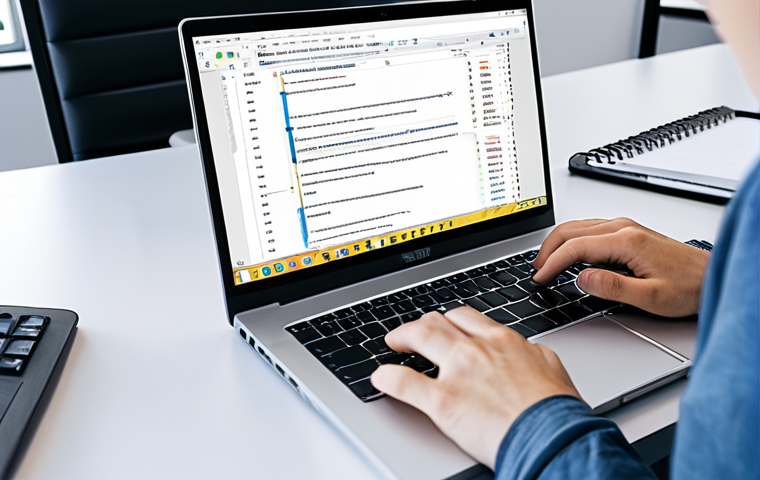
Many universities now offer online courses, some of which are even free! Platforms like edX and Coursera partner with top universities to bring you high-quality education at a fraction of the cost of traditional schooling. And don’t forget to check if your local university or community college offers online courses or workshops. You might be surprised at the resources available in your own backyard.
Don’t Underestimate YouTube: Free Learning at Your Fingertips
YouTube is a goldmine of free educational content, offering tutorials on just about anything you can imagine. From learning how to play the guitar to mastering the basics of graphic design, you can find countless hours of instruction on YouTube. The key is to be discerning and seek out reputable creators with a proven track record.
Podcasts and Audiobooks: Learning on the Go
I’m a big fan of multitasking, and podcasts and audiobooks are perfect for learning while commuting, exercising, or doing chores. There are podcasts dedicated to just about every subject imaginable, from history and science to business and personal development. Audiobooks offer a more in-depth learning experience, allowing you to dive deep into a particular topic. Audible is the major player in this space, but remember to check out your local library, which may offer free audiobook rentals!
Podcasts as Micro-Learning Moments
Podcasts have become my go-to source for bite-sized learning. Whether I’m walking my dog or stuck in traffic, I can always squeeze in an episode and learn something new. There are so many amazing podcasts out there covering a wide range of topics, from marketing and tech to history and true crime.
Audiobooks for Deep Dives
For more in-depth learning, I turn to audiobooks. It’s a fantastic way to immerse yourself in a subject while you’re doing something else. The best part is that your local library probably offers a wide selection of audiobooks for free!
Language Learning Through Audio Immersion
Learning a new language? Audio resources are your best friend. Apps like Duolingo offer audio lessons, and many podcasts and audiobooks are specifically designed for language learners. Immersing yourself in the language through audio is a great way to improve your pronunciation and comprehension.
Building a Supportive Learning Community
Learning can be a solitary pursuit, but it doesn’t have to be. Connecting with other learners can provide encouragement, motivation, and valuable insights. Online forums, social media groups, and local meetups are all great ways to find your tribe and share your learning journey.
Online Forums and Communities
I found a really helpful online forum dedicated to web development. It was a great place to ask questions, share my progress, and get feedback from other developers. These communities are invaluable for troubleshooting problems and learning from others’ experiences.
Social Media Groups for Collaboration
Social media can be a powerful tool for connecting with other learners. Facebook groups, LinkedIn groups, and even Twitter chats can provide opportunities to network, collaborate, and learn from experts in your field.
Local Meetups and Workshops
Don’t forget about the power of in-person learning! Check out local meetups, workshops, and conferences in your area. These events are a great way to meet like-minded people, learn new skills, and expand your professional network.
The Power of Hands-On Projects
Theory is important, but nothing beats hands-on experience. Applying what you learn through projects is a great way to solidify your understanding and build your portfolio. Whether it’s building a website, creating a marketing campaign, or writing a song, projects allow you to put your skills to the test and see real-world results.
Starting Small: Bite-Sized Projects for Beginners
Don’t be afraid to start small. Even simple projects can be a great way to learn the fundamentals. For example, if you’re learning to code, try building a basic calculator app or a simple website.
Scaling Up: Complex Projects for Advanced Learners
As you gain experience, challenge yourself with more complex projects. This will push you outside of your comfort zone and force you to learn new skills. For example, if you’re a marketer, try creating a comprehensive marketing plan for a new product or service.
Showcasing Your Work: Building a Portfolio
Make sure to document your projects and create a portfolio to showcase your work. This will be invaluable when you’re looking for a job or trying to attract new clients. Platforms like GitHub and Behance are great for showcasing your coding and design projects, respectively.
Time Management and Consistency
One of the biggest challenges of online learning is staying motivated and consistent. It’s easy to get distracted or overwhelmed, especially when you’re juggling work, family, and other commitments. The key is to set realistic goals, create a schedule, and stick to it as much as possible.
Setting Realistic Goals: Avoiding Burnout
Be honest with yourself about how much time you can realistically dedicate to learning each week. It’s better to start small and gradually increase your commitment than to overcommit and burn out.
Creating a Schedule: Prioritizing Learning
Schedule your learning time just like you would any other important appointment. This will help you prioritize learning and make sure it doesn’t fall by the wayside.
Tracking Progress: Staying Motivated
Track your progress and celebrate your successes. This will help you stay motivated and remind you of how far you’ve come. There are many apps and tools available to help you track your learning progress, such as Habitica and Trello.
Investing in Premium Resources Wisely
While there are many free resources available, sometimes it’s worth investing in premium courses or tools. Premium resources often offer more in-depth instruction, personalized feedback, and access to exclusive communities. However, it’s important to do your research and make sure you’re getting good value for your money.
Identifying Your Needs: Choosing the Right Resources
Before you invest in any premium resources, take some time to identify your needs and goals. What skills are you trying to learn? What are your biggest challenges? This will help you choose the right resources and avoid wasting money on things you don’t need.
Reading Reviews: Avoiding Scams
Always read reviews before you invest in any premium resources. Look for honest, unbiased reviews from other learners. This will help you avoid scams and find the best resources for your needs.
Trying Free Trials: Testing the Waters
Many premium platforms offer free trials. Take advantage of these opportunities to test the waters and see if the platform is a good fit for you.
Staying Updated with Industry Trends
The world is constantly changing, and it’s important to stay updated with the latest industry trends. This is especially true in fields like technology and marketing, where new tools and techniques are constantly emerging.
Following Industry Leaders: Learning from the Best
Follow industry leaders on social media, subscribe to their blogs, and attend their webinars. This will help you stay informed about the latest trends and learn from the best in the business.
Attending Conferences and Webinars: Networking and Learning
Attend industry conferences and webinars to network with other professionals and learn about the latest trends. These events are a great way to stay updated and expand your knowledge.
Reading Industry Publications: Staying Informed
Subscribe to industry publications and read them regularly. This will help you stay informed about the latest news, trends, and best practices.
| Resource Type | Examples | Cost | Benefits |
|---|---|---|---|
| Online Courses | Coursera, edX, Skillshare | Free to Premium | Structured learning, certifications, diverse subjects |
| Niche Platforms | MZed, LeetCode | Typically Premium | Focused learning, industry-specific knowledge |
| University Resources | edX (University Partnerships) | Free to Discounted | High-quality education, academic rigor |
| YouTube Channels | Khan Academy, Crash Course | Free | Wide range of topics, accessible, visual learning |
| Podcasts | The Tim Ferriss Show, Marketing Over Coffee | Free | Learning on-the-go, diverse topics, expert interviews |
| Audiobooks | Audible, Local Libraries | Free to Premium | In-depth learning, convenient, language learning |
| Online Forums | Stack Overflow, Reddit (r/learnprogramming) | Free | Community support, Q&A, troubleshooting |
| Social Media Groups | Facebook Groups, LinkedIn Groups | Free | Networking, collaboration, expert advice |
In Conclusion
So, whether you’re diving into a new coding language, exploring digital art, or brushing up on marketing strategies, remember that the world of online learning is vast and varied. The key is to find the platforms and resources that resonate with you, fit your learning style, and align with your goals. Embrace the journey, stay curious, and never stop learning!
Useful Tips to Know
1. Always check for free trials before committing to a paid platform to ensure it fits your learning style.
2. Engage in online forums or communities related to your area of study for support and collaborative learning.
3. Set specific, measurable, achievable, relevant, and time-bound (SMART) goals to track your progress effectively.
4. Dedicate a specific time each day or week for learning to maintain consistency and momentum.
5. Utilize library resources for free access to audiobooks, e-books, and online courses to maximize your learning budget.
Key Takeaways
Explore diverse online learning platforms beyond Skillshare to find the best fit for your goals and learning style.
Leverage free resources like YouTube, podcasts, and library services for cost-effective learning.
Engage in hands-on projects and build a portfolio to apply your knowledge and showcase your skills.
Stay consistent with your learning schedule and track your progress to maintain motivation.
Network with other learners through online forums and local meetups for support and collaboration.
Frequently Asked Questions (FAQ) 📖
Q: With so many online learning resources available, how do you avoid getting overwhelmed and focus on what’s truly valuable?
A: Oh, I totally get that feeling! It’s like stepping into a massive bookstore and not knowing where to start. What’s worked for me is first identifying clear learning goals.
Like, “I want to learn basic Python for data analysis.” Then, I look for resources specifically tailored to that – a beginner-friendly course on Coursera, maybe, or a good YouTube tutorial series.
I also try to sample a few different sources at first, reading reviews and checking out previews, before committing to one. And most importantly, I give myself permission to stop if something isn’t working for me!
No need to slog through something dull if it’s not clicking. There’s always another option out there. Plus, I found setting aside dedicated time, like an hour every other evening, helps me stay focused and avoid that overwhelmed feeling.
It’s all about breaking it down into manageable chunks and celebrating small wins along the way!
Q: How can you ensure the credibility of online learning resources, especially when dealing with topics requiring specialized knowledge?
A: That’s a really important question! It’s like, how do you know that DIY plumbing tutorial on YouTube isn’t going to flood your bathroom? I always look for resources from reputable institutions, like universities or well-known organizations in the field.
Checking the author’s credentials is key – are they an expert in the area? Do they have a proven track record? Reviews and ratings can be helpful too, but I take them with a grain of salt.
I also try to cross-reference information from multiple sources. If several reputable sources agree on something, I feel more confident about its accuracy.
And for really specialized stuff, like, say, advanced quantum physics, I might even consult with someone I know who works in that field to get their opinion on the best resources to use.
It’s better safe than sorry!
Q: What are some creative ways to incorporate online learning into your daily life, even with a busy schedule?
A: This is where things get fun! It’s not always about sitting down for hours in front of a computer. For example, I love listening to educational podcasts during my commute or while doing chores around the house.
It’s a great way to learn something new without sacrificing any time. I also try to incorporate online learning into my hobbies. If I’m interested in photography, I might watch a quick tutorial on a new editing technique while waiting for my coffee to brew.
Or if I’m trying a new recipe, I’ll look up a video on the best way to chop vegetables. I’ve even joined a few online communities related to my interests, where I can learn from other people and ask questions.
It’s all about finding small pockets of time and using them to expand your knowledge in a way that fits into your existing routine. Think bite-sized learning, and you’ll be surprised how much you can absorb!
📚 References
Wikipedia Encyclopedia