Measuring learning outcomes is essential for understanding how effectively knowledge and skills are being acquired. It helps educators tailor their teaching strategies and learners track their own progress.

In today’s fast-evolving educational landscape, leveraging data-driven assessments can unlock deeper insights into student performance. Whether you’re a teacher, student, or lifelong learner, knowing how to evaluate learning results can boost motivation and ensure meaningful growth.
Let’s dive into the details and explore how to measure learning outcomes accurately and effectively!
Understanding Different Approaches to Evaluate Learning Progress
Formative Assessments: Guiding the Learning Journey
Formative assessments are like checkpoints during a learning adventure. Unlike final exams, they focus on providing ongoing feedback that helps both instructors and learners identify strengths and areas needing improvement.
From quick quizzes to interactive discussions, these assessments encourage active engagement and allow adjustments to teaching methods in real-time. In my experience, incorporating formative assessments has transformed classrooms from static lecture halls into dynamic spaces where students feel supported and motivated to grow.
The key is to keep these evaluations low-stakes, so learners feel safe to take risks and honestly reflect on their understanding without fear of harsh judgment.
Summative Assessments: Measuring What Sticks
Summative assessments come at the end of a learning period and serve as a more comprehensive measure of what has been mastered. Think of final exams, standardized tests, or major projects that capture the cumulative knowledge and skills acquired.
While these assessments are essential for accountability and certification, they sometimes miss the nuances of individual learning paths. From personal experience, relying solely on summative tests can be stressful for students and may not fully represent their capabilities or growth.
Balancing summative assessments with other evaluation methods provides a clearer picture of true learning outcomes.
Self-Assessment and Peer Feedback: Building Reflective Learners
Encouraging learners to evaluate their own progress or that of their peers fosters deeper metacognitive skills. When students actively reflect on their work, they develop critical thinking and self-regulation abilities that extend beyond the classroom.
Peer feedback, when structured carefully, can also build communication and collaboration skills. I’ve seen firsthand how these strategies boost learner confidence and ownership over their education, especially when combined with clear criteria and guidance.
It’s not just about grades but about nurturing an awareness of one’s learning journey.
Utilizing Technology to Capture Learning Data Effectively
Learning Management Systems as Data Hubs
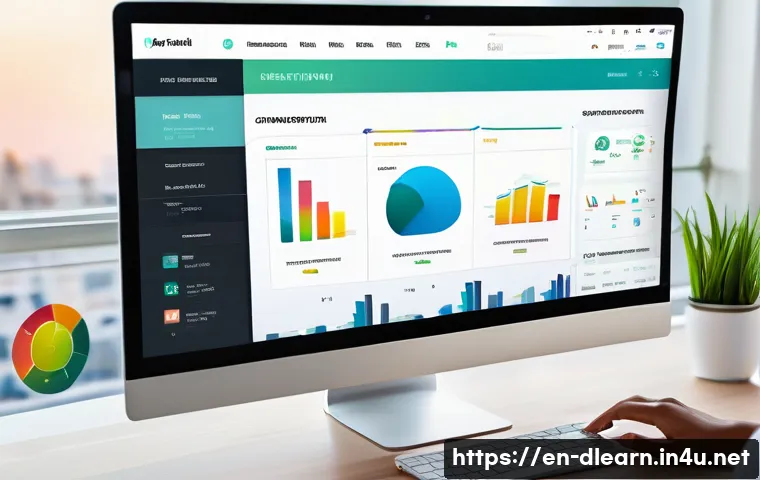
Modern Learning Management Systems (LMS) like Canvas or Blackboard provide a wealth of data that can help track learner engagement and performance. These platforms capture metrics such as time spent on tasks, quiz scores, and discussion participation.
From my perspective, LMS analytics offer educators the ability to identify patterns—like which resources are most helpful or which topics challenge students the most.
Leveraging these insights allows for targeted interventions and personalized support, making the learning experience more efficient and impactful.
Adaptive Learning Tools for Personalized Feedback
Adaptive learning technologies adjust content delivery based on individual learner responses, creating a tailored educational experience. Tools like DreamBox or Smart Sparrow continuously assess student inputs and modify difficulty levels accordingly.
Having tried adaptive platforms in tutoring sessions, I noticed how they keep learners challenged without overwhelming them, fostering steady progress.
This dynamic approach to measurement not only tracks outcomes but actively shapes the learning path, making assessment an integral part of instruction rather than a separate event.
Data Privacy and Ethical Considerations
While data-driven assessments offer immense benefits, they also raise important questions about privacy and consent. Collecting and analyzing learner data must be handled transparently and responsibly.
I’ve encountered situations where unclear data policies caused discomfort among students and parents, highlighting the need for clear communication. Ensuring that data usage aligns with ethical standards builds trust and encourages broader acceptance of digital assessment tools.
Educators should always prioritize learner rights and maintain security protocols to protect sensitive information.
Designing Effective Rubrics for Clear and Fair Evaluation
Defining Criteria that Align with Learning Goals
A well-crafted rubric lays out explicit expectations, making evaluation transparent for everyone involved. The criteria should directly reflect the intended learning outcomes, whether assessing critical thinking, creativity, or technical skills.
From my teaching experience, when students understand exactly what is expected, they focus their efforts more efficiently and feel less anxious about grading.
Clear rubrics also streamline grading for educators, reducing subjectivity and enhancing consistency across assignments.
Using Descriptive Language to Clarify Performance Levels
Descriptive, specific language in rubrics helps differentiate between varying degrees of mastery. Instead of vague terms like “good” or “poor,” detailed descriptions paint a clearer picture of what constitutes excellent, satisfactory, or inadequate work.
I’ve found that this approach not only aids students in self-assessment but also facilitates constructive feedback conversations. It helps avoid misunderstandings and guides learners on how to improve, making the evaluation process more supportive rather than punitive.
Balancing Flexibility and Structure in Rubric Use
While rubrics provide structure, they should also allow room for creativity and individual expression. Overly rigid rubrics can stifle innovation and reduce motivation.
In practice, I try to design rubrics with core non-negotiable elements alongside optional criteria that reward originality or extra effort. This balance encourages learners to meet essential standards while exploring their unique strengths.
It’s a delicate but rewarding process that enhances engagement and fosters a growth mindset.
Interpreting Assessment Results to Inform Instructional Decisions
Identifying Learning Gaps and Strengths
Assessment data is most valuable when used to pinpoint specific areas where learners struggle or excel. Instead of viewing results as mere numbers, I approach them as clues to tailor lesson plans and support strategies.
For example, if a majority of students miss questions related to a particular concept, it signals the need to revisit or reinforce that topic. Conversely, recognizing strengths can help build confidence and provide opportunities for advanced challenges, promoting differentiated instruction.

Tracking Progress Over Time for Long-Term Growth
Single assessments offer snapshots, but monitoring progress longitudinally reveals trends and deeper insights. By comparing results across multiple assessments, educators can evaluate whether interventions are effective and adjust as needed.
From my experience, students appreciate seeing their own growth charts, which can be incredibly motivating. Progress tracking also helps avoid complacency by highlighting continuous improvement rather than just end-of-term outcomes.
Communicating Results to Stakeholders Transparently
Sharing assessment findings with students, parents, and other educators is crucial for collaborative support. Clear communication avoids misunderstandings and empowers everyone involved to contribute to the learner’s success.
In practice, I’ve found that providing actionable feedback alongside scores encourages positive dialogue and goal-setting. Using visual aids, such as graphs or charts, can also make data more accessible and engaging for diverse audiences.
Combining Qualitative and Quantitative Measures for Holistic Evaluation
Incorporating Observations and Reflections
Numbers alone don’t tell the full story. Observational data and learner reflections add rich context that deepens understanding of progress. For instance, noting a student’s participation in discussions or their problem-solving approach can reveal skills not captured by tests.
Personally, I value journals and portfolios as they provide insights into learner attitudes, challenges, and achievements over time. These qualitative elements humanize assessment and foster a more nuanced view of growth.
Using Surveys and Interviews for Learner Perspectives
Gathering input directly from learners helps identify factors influencing their performance and motivation. Surveys and interviews can uncover obstacles like time management issues, learning preferences, or external stressors.
In my experience, when students feel heard, they become more engaged and responsible for their learning. This feedback loop also guides educators in refining strategies to better meet learner needs.
Integrating Multiple Data Sources for Balanced Judgments
Blending quantitative scores with qualitative insights leads to more balanced and fair evaluations. Relying solely on test results risks overlooking important dimensions of learning, while qualitative data alone can be subjective.
I recommend triangulating data—cross-checking different types of evidence—to make informed decisions about learner progress. This comprehensive approach respects the complexity of learning and supports tailored interventions that drive meaningful improvement.
Common Challenges and Practical Solutions in Assessing Learning
Addressing Test Anxiety and Performance Variability
Many learners experience stress during assessments, which can distort true performance. From my observations, creating a low-pressure environment and offering multiple assessment formats helps mitigate anxiety.
Practices like allowing retakes or using project-based evaluations provide alternative ways to demonstrate understanding. Encouraging a growth mindset and emphasizing effort over perfection also reduces pressure and promotes resilience.
Ensuring Fairness Across Diverse Learners
Diverse backgrounds, abilities, and learning styles require flexible assessment approaches to maintain equity. I’ve learned that culturally responsive assessments, accommodations for disabilities, and varied question types ensure all learners have an equal chance to succeed.
Collaborating with specialists and continuously reviewing assessment tools for bias are essential steps to uphold fairness and inclusivity.
Managing Time and Resources Efficiently
Assessment design and grading can be time-consuming, especially with large classes or complex tasks. To tackle this, I leverage technology for automated grading where appropriate and use rubrics to streamline evaluation.
Group assessments and peer reviews also distribute workload while fostering collaboration. Prioritizing key learning outcomes helps focus efforts on what truly matters, maximizing impact without overwhelming educators or learners.
| Assessment Type | Purpose | Strengths | Limitations |
|---|---|---|---|
| Formative | Ongoing feedback and guidance | Encourages active learning, supports timely intervention | May be time-consuming, lower stakes can reduce seriousness |
| Summative | Final evaluation of mastery | Provides clear benchmarks, useful for certification | Stressful, may not reflect true understanding |
| Self-Assessment | Promotes reflection and self-regulation | Builds metacognitive skills, increases learner ownership | Can be subjective, requires training |
| Peer Feedback | Enhances collaboration and communication | Develops critical thinking, diverse perspectives | Potential bias, needs structure |
| Adaptive Tools | Personalized learning paths | Responsive to individual needs, engaging | Dependent on technology, privacy concerns |
Conclusion
Evaluating learning progress through diverse approaches offers a richer, more accurate understanding of student growth. Combining formative, summative, self-assessment, and technology-driven tools creates a balanced and dynamic learning environment. By focusing on clear communication and ethical data use, educators can support learners effectively and foster continuous improvement. Ultimately, thoughtful assessment practices empower both teachers and students to achieve meaningful educational outcomes.
Useful Information to Keep in Mind
1. Formative assessments are best used as ongoing checkpoints to guide learning without adding pressure.
2. Summative assessments provide important benchmarks but should be balanced with other evaluation methods to reduce stress.
3. Self-assessment and peer feedback promote reflection, critical thinking, and ownership of learning.
4. Leveraging technology like LMS and adaptive tools can personalize learning and provide valuable data insights.
5. Clear rubrics and transparent communication help maintain fairness and support student motivation.
Key Takeaways
Effective learning evaluation requires a mix of assessment types tailored to diverse learner needs. Using both qualitative and quantitative data ensures a holistic view of progress. Prioritizing ethical data management and clear communication fosters trust and engagement. Flexible, well-designed rubrics and varied assessment formats help maintain fairness and encourage creativity. Finally, ongoing reflection and data interpretation enable educators to make informed instructional decisions that support every learner’s journey.
Frequently Asked Questions (FAQ) 📖
Q: What are the most effective methods to measure learning outcomes?
A: The best way to measure learning outcomes depends on the context, but a mix of formative and summative assessments usually works well. Formative assessments, like quizzes or in-class activities, give real-time feedback and help adjust teaching strategies.
Summative assessments, such as final exams or projects, evaluate overall mastery. Additionally, incorporating data-driven tools—like learning analytics platforms—can reveal patterns in student engagement and understanding that traditional tests might miss.
From my experience, combining these approaches provides a fuller picture of how well learners are absorbing material.
Q: How can educators use assessment results to improve teaching strategies?
A: When educators analyze assessment data thoughtfully, they can identify which concepts students struggle with most and adjust their lesson plans accordingly.
For example, if a large portion of the class misses questions on a particular topic, it’s a sign to revisit that material using different methods—maybe more interactive activities or real-world examples.
Personally, I’ve seen how tweaking teaching styles based on assessment feedback leads to better student participation and higher retention rates. It’s all about being flexible and responsive to learners’ needs rather than sticking rigidly to a predetermined plan.
Q: How can students benefit from regularly measuring their own learning progress?
A: Tracking your learning progress regularly keeps motivation high and helps avoid last-minute cramming. When students assess themselves through self-quizzes or reflection journals, they become more aware of their strengths and weaknesses.
I’ve found that this self-awareness encourages more focused study sessions and reduces anxiety because you’re not flying blind. Plus, seeing gradual improvement over time is incredibly rewarding—it transforms learning from a chore into a personal achievement journey.
So, self-assessment isn’t just about grades; it’s about building confidence and ownership of your education.