In today’s fast-paced world, digital learning platforms have become essential tools for education and skill development. With countless options available, each platform offers unique features tailored to different learning styles and goals.

Whether you’re a student, professional, or lifelong learner, choosing the right platform can significantly impact your progress. From interactive courses to personalized feedback, these tools are reshaping how we absorb knowledge.
Let’s dive deeper and explore the key differences to help you make an informed choice. I’ll walk you through everything you need to know!
Understanding User Experience and Interface Design
How Intuitive Navigation Shapes Learning Efficiency
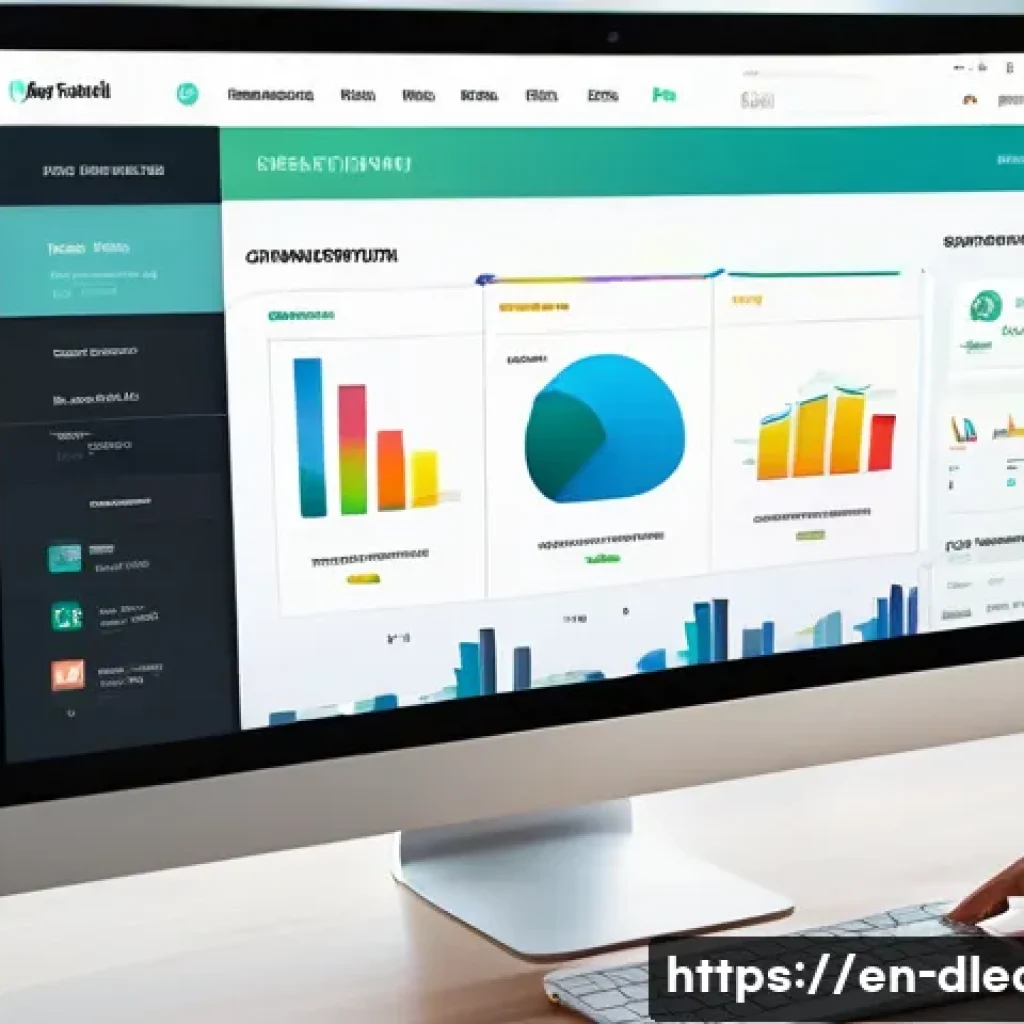
When you first log into a digital learning platform, the last thing you want is to feel lost or overwhelmed. Platforms that prioritize intuitive navigation make it easier for users to find courses, track progress, and access resources without unnecessary clicks.
From my experience, a clean, well-organized dashboard reduces cognitive load, allowing learners to focus on content rather than figuring out where to go next.
Some platforms use minimalist designs, while others incorporate colorful icons or progress bars to keep motivation high. This subtle difference can make or break your daily study routine because frustration leads to abandonment, which nobody wants.
Mobile Responsiveness: Learning on the Go
In today’s mobile-driven world, a platform’s responsiveness on smartphones and tablets is crucial. I’ve personally tried platforms that worked flawlessly on desktops but became clunky or unusable on my phone during commutes.
A seamless mobile experience means you can squeeze in learning moments anywhere—waiting in line, during breaks, or while traveling. Platforms offering dedicated apps often provide offline access, push notifications, and interactive features optimized for touchscreens.
This convenience is a huge plus for busy professionals juggling multiple responsibilities.
Customization Options for Personalized Learning Paths
Everyone learns differently, and the best platforms acknowledge this by offering customization. Whether it’s adjusting the difficulty level, choosing between video or text-based lessons, or setting personal goals, these options let you tailor the experience to your preferences.
I’ve found that having control over how content is delivered keeps me engaged longer. Some platforms even use AI-driven algorithms to recommend courses based on your progress and interests, creating a truly personalized journey rather than a one-size-fits-all approach.
Comparing Content Quality and Instructor Expertise
The Impact of Expert-Led Courses
One thing that stands out immediately when browsing digital learning platforms is the credibility of their instructors. Platforms that feature courses taught by recognized experts or industry professionals tend to provide more in-depth and practical knowledge.
I’ve noticed that courses led by instructors with real-world experience often include valuable insights and anecdotes that textbooks lack. This type of content enriches the learning experience and builds trust, making it easier to apply new skills in real-life scenarios.
Regular Content Updates and Relevance
The digital world evolves rapidly, and so should your learning materials. Platforms that frequently update courses to reflect the latest trends, technologies, and best practices keep you ahead of the curve.
In my experience, outdated content can be frustrating and sometimes misleading. For example, a coding platform that doesn’t update to the newest programming languages or frameworks quickly loses its value.
Always check if the platform highlights recent updates or includes community feedback mechanisms to ensure the content stays fresh.
Interactive and Multimedia Learning Materials
Static text alone rarely cuts it anymore. The best digital learning platforms use a blend of videos, quizzes, simulations, and discussion forums to keep you actively engaged.
I found that interactive elements like coding challenges or live problem-solving sessions help cement knowledge much better than passive reading. Plus, multimedia content caters to different learning styles—whether you’re a visual learner who benefits from video explanations or someone who prefers hands-on practice.
Exploring Assessment Methods and Feedback Systems
Automated Versus Human Feedback
Feedback is the cornerstone of effective learning. Platforms that combine automated quizzes with human-reviewed assignments offer the best of both worlds.
Automated systems provide instant results, which is great for quick knowledge checks, but human feedback adds depth by explaining mistakes and suggesting improvements.
From personal use, I’ve found that platforms with active instructor or peer reviews help me understand nuances and avoid repeating errors.
Types of Assessments and Their Effectiveness
Not all assessments are created equal. Multiple-choice quizzes can test recall, but projects and case studies evaluate your ability to apply concepts.
I’ve noticed that platforms offering diverse assessment types keep learners more engaged and provide a better measure of true understanding. For instance, a marketing course that includes a real-world campaign simulation teaches much more than a simple test.
Tracking Progress and Motivation Tools
Seeing tangible progress fuels motivation. Platforms with detailed dashboards showing completed lessons, earned badges, or streaks help maintain momentum.
I personally feel more accountable when I can visualize how far I’ve come and what’s left to achieve. Features like reminders, goal-setting, and community challenges add an extra layer of encouragement, making the learning process feel less like a chore and more like an exciting journey.
Evaluating Community Engagement and Support Networks
Peer Interaction and Collaborative Learning
Learning doesn’t have to be a solo endeavor. Platforms that foster active communities through forums, study groups, or live chats enable learners to share insights, ask questions, and get support.
I’ve joined several course-related discussions and found that peer explanations often clarify concepts in ways instructors might not. This social aspect can transform a solitary learning experience into a collaborative adventure.
Availability and Quality of Customer Support
Technical glitches or unclear instructions can quickly derail your learning momentum. Platforms with responsive customer support—whether through live chat, email, or phone—help resolve issues swiftly.
From my trials, having access to knowledgeable support staff made a huge difference, especially when setting up accounts or troubleshooting payments. It’s worth checking reviews to see how a platform handles customer service before committing.
Mentorship and Expert Guidance Opportunities
Some advanced platforms offer mentorship programs where you can connect with industry professionals for one-on-one coaching. I’ve personally benefited from such programs that provided tailored advice, career insights, and networking opportunities.
While these options often come at a premium, the personalized guidance can accelerate your progress and open doors that self-study alone might not.
Pricing Models and Value for Money
Subscription Versus Pay-Per-Course
Choosing between subscription-based platforms and pay-per-course models depends on your learning goals and budget. Subscriptions offer unlimited access to a broad library, ideal for those who want to explore various topics.
On the other hand, pay-per-course is better suited if you have a specific skill to master. I’ve found subscriptions great for curiosity-driven learning, but if you’re focused on certification, paying for a single, in-depth course might be more cost-effective.
Free Trials and Refund Policies
Trying before buying is always reassuring. Many platforms offer free trials or money-back guarantees, which I consider essential to test the platform’s fit for my learning style.
Some trials provide full access, while others limit content or features. Understanding refund policies is equally important, especially if you plan to invest in premium courses or bundles.
Additional Costs and Hidden Fees
Sometimes, the sticker price doesn’t tell the whole story. Be aware of extra fees for certification exams, downloadable materials, or mentorship sessions.
I once encountered a platform where the advertised price excluded necessary certificates, which caught me off guard. Transparency in pricing is a sign of a trustworthy platform and helps avoid unpleasant surprises.
Technology Integration and Platform Accessibility
Compatibility with Different Devices and Browsers
A platform that works well across various devices and browsers offers flexibility. I’ve experienced frustration when a platform only supports Chrome but not Safari or Firefox, forcing me to switch devices.
Cross-platform compatibility means you can pick up learning wherever you are, without technical hurdles.
Offline Learning and Downloadable Resources
Having access to course materials offline is a game-changer, especially for those with spotty internet or frequent travel schedules. Platforms that allow downloading videos, PDFs, or practice files enable learning without connectivity constraints.
Personally, I’ve used this feature extensively during flights or in remote locations where internet access is limited.
Accessibility Features for Diverse Learners
Inclusive design is vital. Platforms that provide captions, screen reader compatibility, adjustable font sizes, and color contrast options make learning accessible to users with disabilities.
I appreciate platforms that invest in these features because everyone deserves equal opportunities to learn comfortably and effectively.
Summary of Key Features Across Popular Platforms
| Feature | Platform A | Platform B | Platform C |
|---|---|---|---|
| User Interface | Clean, minimal, easy navigation | Feature-rich, slightly complex | Mobile-first, intuitive |
| Content Quality | Expert instructors, frequently updated | Good mix of beginner and advanced | Industry partnerships, practical focus |
| Assessment Types | Quizzes, projects, peer review | Multiple-choice, automated feedback | Simulations, case studies |
| Community Support | Active forums, mentorship available | Basic discussion boards | Live chat, study groups |
| Pricing Model | Subscription with free trial | Pay-per-course, no trial | Freemium with paid upgrades |
| Device Compatibility | Desktop & mobile apps | Desktop only | Responsive web & apps |
| Accessibility Features | Captions, screen reader support | Limited | High contrast, font adjustments |
Conclusion
Choosing the right digital learning platform can truly transform your educational journey. By focusing on user experience, content quality, assessment methods, community engagement, pricing, and technology, you can find a platform that fits your unique needs. I’ve learned firsthand that a well-designed, supportive platform keeps motivation high and learning effective. Remember, the best platform is one that feels intuitive and encourages continuous growth.
Useful Information to Keep in Mind
1. Always test platforms with free trials or demos to ensure they match your learning style before committing financially.
2. Prioritize platforms that regularly update content to stay current with industry trends and best practices.
3. Look for features like progress tracking and motivational tools to help maintain your learning momentum over time.
4. Consider platforms with active communities or mentorship programs to enhance understanding through collaboration and expert guidance.
5. Check device compatibility and accessibility options to make sure you can learn comfortably anytime, anywhere.
Key Takeaways
When selecting a digital learning platform, focus on intuitive navigation and mobile responsiveness for seamless access. Content quality backed by expert instructors and regular updates ensures relevant and practical knowledge. Diverse assessment types combined with meaningful feedback deepen learning. Engaged communities and reliable customer support enhance the overall experience. Finally, transparent pricing and flexible technology features provide value and convenience, making your investment worthwhile.
Frequently Asked Questions (FAQ) 📖
Q: How do I choose the best digital learning platform for my needs?
A: Picking the right platform really depends on your personal goals and learning style. If you prefer hands-on practice, look for platforms offering interactive exercises or projects.
For those who thrive on structure, courses with scheduled lessons and deadlines might work best. Also, consider whether you want certification, mentorship, or community support.
Trying free trials can give you a feel for the user interface and teaching style, which makes a huge difference. From my experience, platforms that provide personalized feedback help keep motivation high and accelerate progress.
Q: Are digital learning platforms effective for professional skill development?
A: Absolutely! Many professionals I know have boosted their careers through online courses. The convenience of learning at your own pace combined with up-to-date content tailored to industry trends makes these platforms invaluable.
Plus, some offer real-world case studies and networking opportunities that traditional classrooms can’t match. I’ve seen firsthand how completing specialized certifications online led to job promotions and new opportunities.
The key is to choose platforms recognized in your field and to stay consistent with your learning schedule.
Q: What should I expect regarding the cost and value of digital learning platforms?
A: Costs can vary widely—from free courses to premium subscriptions or one-time payments. It’s important to weigh what you get for your money. Platforms that offer comprehensive content, expert instructors, and personalized support usually come at a higher price but deliver better results.
However, many free or low-cost options provide excellent foundational knowledge if you’re just starting out. Based on my experience, investing in a platform with good reviews and a trial period ensures you’re not wasting money and that the content matches your expectations.