As the world continues to embrace digital transformation, online education is evolving faster than ever before. In 2024, groundbreaking trends are reshaping how learners engage, making education more accessible, personalized, and interactive.

Whether you’re a student, educator, or lifelong learner, understanding these shifts is crucial to staying ahead in this dynamic landscape. Join me as we explore the innovations driving the future of learning and how they might impact your own educational journey.
Trust me, you won’t want to miss what’s coming next.
Personalized Learning Experiences Through AI
Adaptive Learning Paths Tailored to Individual Needs
One of the most exciting shifts in online education today is the rise of AI-driven adaptive learning. Instead of a one-size-fits-all curriculum, platforms now analyze a learner’s progress, strengths, and weaknesses to customize the content and pace accordingly.
I’ve personally noticed how this approach keeps me engaged because the material adjusts just when it starts getting too easy or too challenging. It’s like having a private tutor who knows exactly when to push you forward or offer a bit more practice.
This level of personalization not only enhances retention but also boosts motivation, making learning feel less like a chore and more like an exciting journey.
Real-Time Feedback and Performance Tracking
Instant feedback is another game-changer made possible by AI. Rather than waiting days for graded assignments or quizzes, students receive immediate insights into their performance.
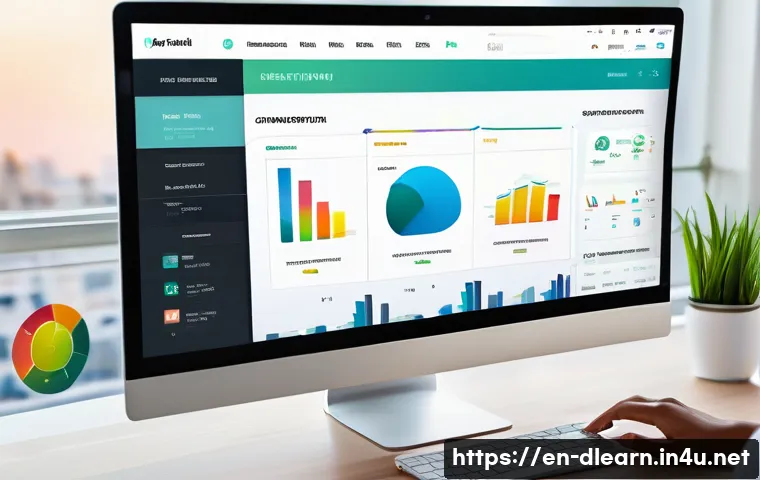
From my experience, this real-time guidance helps me correct mistakes on the spot, preventing misconceptions from taking root. Plus, detailed analytics dashboards allow learners to track their progress over time, identifying patterns and areas that need improvement.
This transparency encourages a proactive attitude toward learning, empowering students to take control of their educational outcomes.
AI Tutors and Chatbots Enhancing Accessibility
The integration of AI tutors and chatbots has dramatically increased the availability of educational support around the clock. I’ve found these virtual assistants incredibly helpful when I’m studying late at night or need quick answers without waiting for a human instructor.
They can explain concepts, provide resources, and even simulate conversations for language learners. This instant accessibility removes barriers related to time zones and instructor availability, making education more inclusive and flexible for diverse learners worldwide.
Immersive Technologies Transforming Engagement
Virtual Reality (VR) and Augmented Reality (AR) for Hands-On Learning
Immersive tech like VR and AR is no longer confined to gaming; it’s revolutionizing education by creating vivid, interactive environments. I tried a VR history lesson where I could explore ancient ruins up close, which was far more memorable than reading a textbook.
These technologies allow learners to practice skills in simulated settings—whether it’s performing a medical procedure or assembling machinery—without real-world risks.
The hands-on nature of immersive learning boosts understanding and retention by engaging multiple senses and making abstract concepts tangible.
Gamification and Interactive Content to Boost Motivation
Gamification elements such as badges, leaderboards, and challenges are now standard features on many e-learning platforms. From my perspective, these game-like rewards tap into our natural desire for achievement and competition, turning learning into a fun and addictive experience.
Interactive quizzes, scenario-based tasks, and storytelling techniques also help maintain focus and encourage active participation. This shift toward engaging content keeps learners coming back, increasing both completion rates and overall satisfaction.
Collaborative Virtual Classrooms
Despite the digital divide, technology is enabling more collaborative learning experiences. Virtual classrooms equipped with breakout rooms, whiteboards, and live polls simulate in-person interactions.
I’ve found that group projects and peer discussions in these environments foster deeper understanding and build communication skills. This social aspect is crucial because it combats the isolation often associated with online learning, making it feel more connected and community-driven.
Flexible Learning Models and Accessibility
Microlearning for Busy Schedules
Microlearning—short, focused bursts of content—is becoming increasingly popular among professionals and students juggling hectic lives. Personally, I appreciate how a 5-10 minute lesson fits easily into my day, allowing me to learn consistently without feeling overwhelmed.
This format is perfect for skill-building or revisiting concepts, especially when paired with mobile apps that let you study anytime, anywhere. The convenience factor alone makes microlearning a powerful tool for lifelong education.
Subscription-Based and Pay-Per-Course Models
The way learners pay for online education is evolving too. Subscription models offer unlimited access to a vast library of courses, making it more affordable for those hungry for knowledge.
On the other hand, pay-per-course options give learners the freedom to invest only in what they truly need. I’ve tried both approaches, and each has its perks depending on your goals.
Subscriptions encourage exploration, while individual purchases often come with more in-depth, specialized content.
Increased Focus on Inclusivity and Accessibility
Ensuring that education is accessible to all learners, including those with disabilities, is a growing priority. Many platforms now include features like screen readers, captioning, and adjustable text sizes.
From my observations, these improvements are essential for creating an inclusive environment where everyone can thrive. Plus, diverse content that reflects different cultures and languages helps break down barriers, making online learning a truly global experience.
Data Privacy and Ethical Considerations in Online Learning
Balancing Personalization with Privacy

As AI and data analytics play bigger roles, concerns about privacy naturally arise. Learners often share sensitive information that powers personalized experiences, but it’s crucial that platforms handle this data responsibly.
I’ve become more cautious about the permissions I grant and look for transparent privacy policies. Trust between users and providers is key to sustaining the growth of online education, so ongoing dialogue about data ethics is vital.
Addressing Algorithmic Bias
AI systems can unintentionally perpetuate biases if not carefully designed. For example, adaptive learning algorithms might favor certain learning styles or demographic groups, leaving others at a disadvantage.
From what I’ve read and experienced, educators and developers are increasingly aware of this issue and actively working to create fairer, more inclusive algorithms.
This effort ensures that technology enhances equity rather than reinforcing existing disparities.
Regulatory Frameworks and Compliance
Governments and institutions worldwide are starting to implement regulations that govern online education providers, focusing on data protection, quality standards, and accessibility.
As a learner, it’s reassuring to see these measures because they offer a layer of security and accountability. Staying informed about these rules helps users make better decisions about which platforms to trust and support.
The Rise of Lifelong Learning and Skill Development
Continuous Upskilling to Stay Relevant
In today’s fast-paced world, acquiring new skills is no longer optional but essential. I’ve personally felt the pressure to keep learning, whether it’s mastering new software or understanding emerging trends.
Online education offers the perfect solution by providing flexible courses tailored to career growth and personal interests. This continuous learning mindset helps people adapt to changing job markets and seize new opportunities.
Credentialing and Digital Badges
Traditional degrees are being supplemented by digital credentials that validate specific skills or achievements. I’ve found that earning these micro-credentials boosts my resume and signals to employers that I’m proactive about my development.
Platforms increasingly partner with industry leaders to ensure their certificates carry real-world value, making this an exciting development for both learners and recruiters.
Community Building and Networking Opportunities
Beyond just courses, many online platforms foster communities where learners connect, share experiences, and collaborate. I’ve joined forums and virtual meetups that not only deepen my understanding but also expand my professional network.
This social dimension adds tremendous value, turning education into a shared adventure rather than a solitary task.
Key Features of Leading Online Education Platforms in 2024
| Platform | Personalization | Immersive Tech | Pricing Model | Accessibility Features |
|---|---|---|---|---|
| Coursera | AI-driven course recommendations and adaptive quizzes | Limited AR/VR integrations for select courses | Subscription & pay-per-course | Screen reader compatibility, subtitles, multilingual support |
| Udemy | User-tailored learning paths with skill assessments | Interactive video content, some VR options | Pay-per-course with frequent discounts | Closed captioning, adjustable playback speeds |
| edX | Personalized dashboards and progress tracking | Virtual labs and simulation tools | Subscription & verified certificates | Accessible design standards, transcripts, and captions |
| LinkedIn Learning | AI-based skill gap analysis and course suggestions | Interactive exercises and scenario-based training | Monthly subscription | Keyboard navigation, screen reader support |
In Conclusion
AI-powered personalized learning is reshaping education by making it more engaging, accessible, and effective. Through adaptive technologies and immersive tools, learners can enjoy tailored experiences that fit their unique needs and schedules. As the landscape evolves, embracing these innovations will help us stay motivated and continuously grow in an ever-changing world.
Helpful Information to Know
1. Personalized learning paths adapt in real-time to your progress, keeping challenges balanced and motivation high.
2. Immediate feedback from AI-driven platforms helps correct mistakes quickly, enhancing understanding and retention.
3. Immersive technologies like VR and AR provide hands-on learning opportunities that bring abstract concepts to life.
4. Flexible models such as microlearning and subscription services accommodate busy lifestyles and diverse learning goals.
5. Data privacy and ethical use of AI remain top priorities to ensure trust and fairness in online education.
Key Takeaways
Embracing AI and immersive technologies in education offers personalized, engaging, and accessible learning experiences that cater to individual needs. The combination of flexible learning models and real-time support enhances motivation and skill development. However, it’s essential to remain aware of data privacy, algorithmic fairness, and regulatory compliance to foster a trustworthy and inclusive digital learning environment.
Frequently Asked Questions (FAQ) 📖
Q: uestionsQ1: What are the most significant trends shaping online education in 2024?
A: In 2024, the biggest trends include AI-driven personalized learning, immersive technologies like AR and VR, and microlearning formats that fit busy schedules.
From my experience, AI helps tailor courses to your unique pace and style, making learning much more effective. Plus, tools like VR create engaging, hands-on experiences even from home, which I found really boosts retention.
These innovations together are making education more accessible and interactive than ever.
Q: How can students and educators adapt to these rapid changes in online learning?
A: Staying flexible and curious is key. Students should explore new platforms offering personalized content and interactive features, while educators might consider integrating AI tools and multimedia resources into their teaching.
I’ve noticed that educators who embrace these tech advances not only enhance engagement but also save time on grading and feedback. It’s about blending traditional methods with fresh digital approaches to create a richer learning environment.
Q: Will these new online education trends be affordable and accessible for everyone?
A: While cutting-edge tech can sometimes come with a price tag, many platforms are working hard to offer affordable or even free access to quality content.
From what I’ve seen, subscription models and partnerships with institutions help lower costs. Moreover, mobile-friendly formats and offline options mean learners in various situations can still benefit.
So yes, these trends are increasingly designed with inclusivity in mind, making lifelong learning more reachable worldwide.