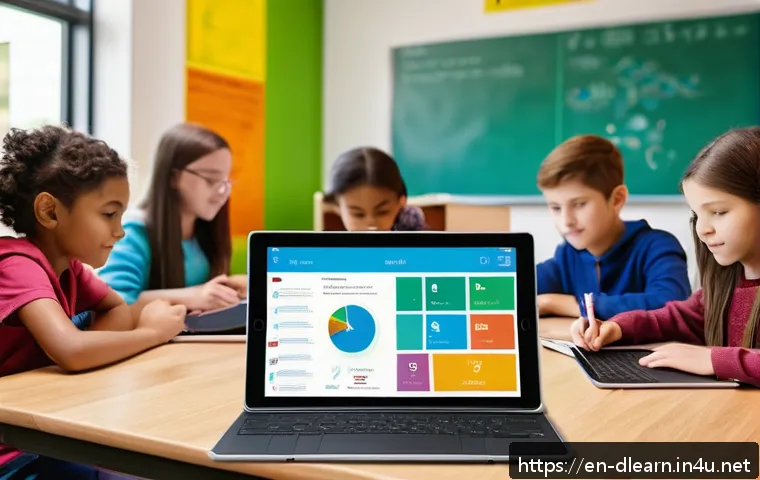
In today’s fast-paced world, digital education technology is evolving faster than ever, reshaping how we learn and teach. From AI-driven personalized lessons to immersive virtual classrooms, these breakthroughs are not just trends—they’re transforming the entire educational landscape.
If you’ve ever wondered how technology can make learning more engaging and effective, you’re in the right place. Let’s dive into the latest innovations that promise to unlock the future of education, making knowledge more accessible and exciting for everyone.
Stick around—there’s a lot to explore that could change the way you think about learning forever.
Revolutionizing Learning with AI-Powered Personalization
Adaptive Learning Systems Tailored to You
Adaptive learning platforms have become a game-changer in education by using artificial intelligence to analyze individual student performance and adjust the difficulty and style of content delivery accordingly.
From my experience using these platforms, the biggest advantage is how they eliminate the frustration of one-size-fits-all lessons. Instead, the system identifies where you struggle or excel and then offers personalized exercises or explanations.
This dynamic approach keeps learners motivated because the material feels relevant and achievable, avoiding boredom or overwhelm. It’s like having a personal tutor available 24/7 who understands exactly what you need next.
Real-Time Feedback Enhancing Mastery
One standout feature of AI-driven education is its capacity to provide instant feedback. Unlike traditional classrooms where you might wait days for graded assignments, digital platforms can pinpoint mistakes and suggest improvements right away.
This immediacy accelerates learning because you can correct misunderstandings before they become ingrained. For example, while practicing language skills or math problems online, the system highlights errors, explains why they happened, and offers targeted drills to reinforce weak areas.
Personally, I found this feedback loop critical for boosting confidence and mastering complex topics faster than ever before.
Customizing Content with Natural Language Processing
Thanks to advances in natural language processing (NLP), educational tools can now understand and respond to student queries in a conversational way. This means learners can ask questions as if talking to a human instructor, making the process more intuitive and less intimidating.
My favorite part about NLP integration is how it helps break down complicated concepts into simpler terms or examples tailored to the learner’s background.
It transforms passive reading into an interactive dialogue, promoting deeper engagement and retention.
Immersive Virtual Environments Transforming Classrooms
Virtual Reality as a Gateway to Experiential Learning
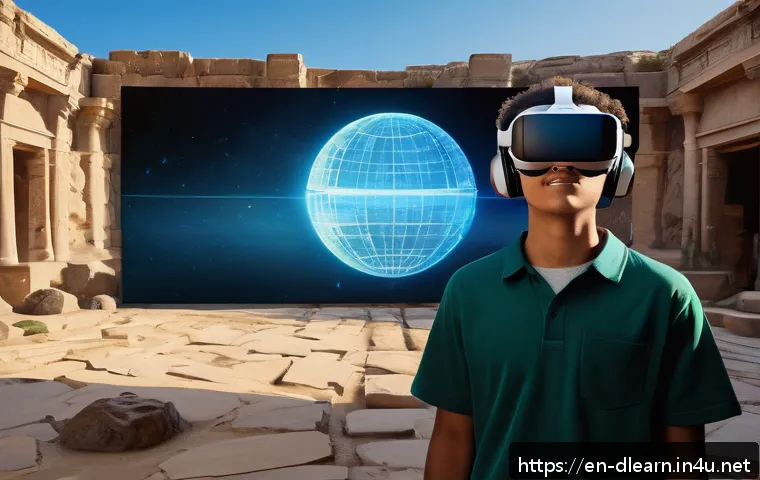
Virtual reality (VR) is no longer just for gaming—it’s becoming an indispensable educational tool that immerses students in lifelike environments. Imagine exploring ancient ruins, conducting chemistry experiments, or dissecting a virtual frog without leaving your room.
I tried a VR history lesson recently, and the experience was mind-blowing: the ability to walk through a recreated historical site made the facts and stories come alive in a way textbooks never could.
This kind of experiential learning sparks curiosity and helps students develop a more profound understanding by engaging multiple senses.
Augmented Reality Enhancing Real-World Interaction
While VR offers full immersion, augmented reality (AR) layers digital information onto the real world, blending physical and virtual elements seamlessly.
AR apps can turn any surface into an interactive learning space—like scanning a poster to see a 3D model pop up or overlaying anatomical diagrams on your body during biology lessons.
From my perspective, AR’s biggest strength is its ability to contextualize learning in everyday environments, making abstract ideas tangible and accessible.
Plus, it encourages collaboration as students often gather to explore shared AR experiences together.
Challenges and Opportunities for Widespread Adoption
Despite the excitement around VR and AR, there are hurdles to overcome before these technologies become mainstream in classrooms. Hardware costs, technical glitches, and the need for teacher training can slow adoption.
However, the rapid development of affordable headsets and user-friendly software is narrowing these gaps. Schools that have integrated VR/AR report increased student engagement and improved outcomes, suggesting the investment is worthwhile.
From what I’ve seen, the key to success lies in blending immersive tech with traditional teaching methods to create a balanced, effective learning environment.
Gamification: Making Learning Fun and Competitive
Incorporating Game Mechanics to Boost Motivation
Gamification applies game design elements like points, badges, leaderboards, and challenges to education, turning study sessions into engaging experiences.
When I started using gamified platforms, I noticed how much more motivated I was to complete tasks and improve my scores. The competitive aspect encourages persistence and repeated practice, which are crucial for mastering any subject.
Moreover, gamification helps break down learning into manageable levels, giving a clear sense of progression that keeps learners hooked.
Social Learning through Collaborative Games
Many educational games now include social features that allow students to team up, compete, or share achievements. This social interaction creates a sense of community and accountability, which can be especially helpful in remote or hybrid learning setups.
I found that collaborating on problem-solving games not only made the process more enjoyable but also deepened my understanding by exposing me to different perspectives.
These shared experiences foster peer support and build communication skills alongside academic knowledge.
Balancing Competition and Inclusivity
While gamification can enhance engagement, it’s important to design games that are inclusive and encourage positive competition rather than stress or exclusion.
Successful educational games offer multiple ways to succeed, catering to diverse learning styles and paces. In my opinion, the best platforms reward effort and improvement rather than just raw scores, creating an environment where everyone feels capable and motivated to participate.
Data-Driven Insights for Smarter Teaching
Analytics Empowering Educators to Personalize Instruction
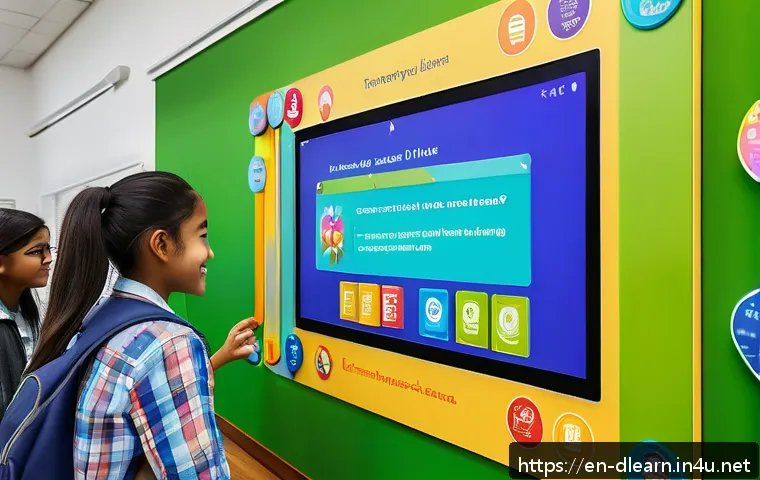
Behind the scenes, digital learning platforms collect vast amounts of data on student behavior, performance, and engagement. Teachers can leverage this data through dashboards and reports that highlight who needs extra help, which topics are challenging, and how different teaching methods are working.
I’ve seen firsthand how this insight allows educators to tailor lessons more effectively, shifting away from generic lectures to targeted interventions that address real needs.
Predictive Analytics for Early Intervention
Some advanced systems use predictive analytics to identify students at risk of falling behind before it’s too late. By analyzing patterns such as declining participation or repeated errors, these tools alert teachers to intervene proactively.
This early warning system can prevent failure and improve retention, especially in large classes where individual monitoring is difficult. From my experience, such timely support can make a huge difference in student outcomes and motivation.
Privacy and Ethical Considerations in Data Use
While data-driven education offers many benefits, it also raises concerns about privacy and ethics. Ensuring that student information is collected transparently, securely, and with consent is paramount.
Schools and platforms must balance the power of data analytics with respect for individual rights. Personally, I appreciate platforms that clearly communicate how data is used and provide options for students and parents to control their information.
Mobile Learning: Education Anytime, Anywhere
Leveraging Smartphones for On-the-Go Study
The ubiquity of smartphones has revolutionized access to education, making learning possible anytime and anywhere. Mobile apps designed for bite-sized lessons or flashcards fit perfectly into busy schedules.
I often use language learning apps during commutes or breaks, turning idle moments into productive study time. This flexibility helps maintain consistent learning habits without the pressure of a fixed classroom setting.
Offline Access and Microlearning for Busy Lives
Not all learners have reliable internet access, so many apps now offer offline modes that download lessons in advance. This feature is a lifesaver for those with limited connectivity or who prefer studying without distractions.
Additionally, microlearning—delivering content in small, focused chunks—caters to short attention spans and busy routines. From my perspective, breaking down complex subjects into digestible pieces makes it easier to absorb and retain information over time.
Integrating Mobile Learning with Traditional Education
Rather than replacing conventional schooling, mobile learning supplements it by reinforcing concepts and providing extra practice. Schools that encourage app use as homework or revision tools see improved student engagement and performance.
I’ve noticed that combining mobile resources with face-to-face instruction creates a more rounded and flexible educational experience that adapts to diverse learner needs.
Key Features of Leading Digital Education Tools
| Feature | Description | Benefits | Examples |
|---|---|---|---|
| AI Personalization | Adaptive algorithms tailor content to individual learner profiles | Increased engagement, faster mastery, reduced frustration | DreamBox, Knewton |
| Immersive Technology | VR/AR environments simulate real-world or imaginary scenarios | Enhanced understanding, experiential learning, higher retention | zSpace, Labster |
| Gamification | Game elements such as points, badges, and leaderboards | Motivation, competition, social learning | Kahoot!, Classcraft |
| Data Analytics | Tracking and analyzing learner data for insights | Personalized instruction, early intervention | Edmodo, Brightspace |
| Mobile Compatibility | Accessible via smartphones and tablets | Learning flexibility, offline access, microlearning | Duolingo, Quizlet |
Building Digital Literacy for Future Success
Equipping Students with Essential Tech Skills
As education increasingly integrates technology, digital literacy becomes a fundamental skill for students. This goes beyond basic computer use to include understanding how to navigate online resources, evaluate information credibility, and communicate effectively in digital environments.
I’ve noticed that students who develop strong digital literacy adapt more easily to new tools and are better prepared for modern workplaces.
Empowering Teachers through Professional Development
For technology to truly transform learning, educators must be confident and skilled in using digital tools. Ongoing training and support are critical to help teachers integrate new methods seamlessly into their curricula.
From my observations, schools that invest in professional development see higher technology adoption rates and more innovative teaching practices.
Fostering Critical Thinking and Creativity with Tech
Digital education should not only focus on content delivery but also encourage critical thinking and creativity. Tools that promote problem-solving, collaboration, and innovation prepare students to thrive in a rapidly changing world.
In my experience, project-based learning supported by technology inspires deeper inquiry and real-world application, making education more meaningful and enjoyable.
Closing Thoughts
AI-powered personalization is truly reshaping how we learn by making education more adaptive, engaging, and accessible. From immersive technologies to gamification and data-driven insights, these innovations are creating richer learning experiences that cater to individual needs. Embracing these tools offers exciting opportunities for both students and educators to thrive in a digital-first world.
Useful Information to Keep in Mind
1. Personalized learning adapts content based on your unique strengths and challenges, boosting motivation and progress.
2. Real-time feedback helps correct mistakes immediately, accelerating mastery and confidence.
3. Immersive VR and AR technologies create hands-on experiences that deepen understanding beyond textbooks.
4. Gamification encourages engagement through fun competition and social collaboration.
5. Mobile learning provides flexibility, allowing you to study anytime, anywhere—even offline.
Key Takeaways
Understanding and leveraging AI and digital tools in education requires balancing innovation with inclusivity and privacy. Effective integration depends on ongoing teacher support, ethical data use, and combining technology with traditional methods. By focusing on personalization, interactivity, and critical thinking, digital education can unlock better outcomes and prepare learners for future challenges.
Frequently Asked Questions (FAQ) 📖
Q: How does
A: I personalize learning experiences in digital education? A1: AI personalizes learning by analyzing each student’s strengths, weaknesses, and learning pace.
For instance, adaptive algorithms can adjust lesson difficulty in real-time, recommend resources tailored to individual needs, and even predict areas where a learner might struggle.
From my experience, this makes studying feel less overwhelming and much more relevant, helping learners stay motivated because the material fits their unique style rather than a one-size-fits-all approach.
Q: What are the benefits of virtual classrooms compared to traditional ones?
A: Virtual classrooms offer flexibility that traditional settings often can’t match. They allow students to attend lessons from anywhere, which is a game-changer for those balancing work, family, or other commitments.
Plus, immersive tools like VR and interactive platforms create engaging environments that mimic real-life social interaction. Personally, I found virtual classrooms to reduce anxiety around participation and gave me a sense of community even when physically apart from classmates.
Q: Can digital education technology really improve learning outcomes, or is it just a trend?
A: Digital education technology is more than just a passing trend—it’s fundamentally changing how knowledge is delivered and absorbed. Research and practical use show improved engagement, retention, and even critical thinking skills when tech is integrated thoughtfully.
From my own observations and conversations with educators, when technology is used to complement rather than replace traditional teaching methods, it significantly boosts learning effectiveness and accessibility for a diverse range of students.