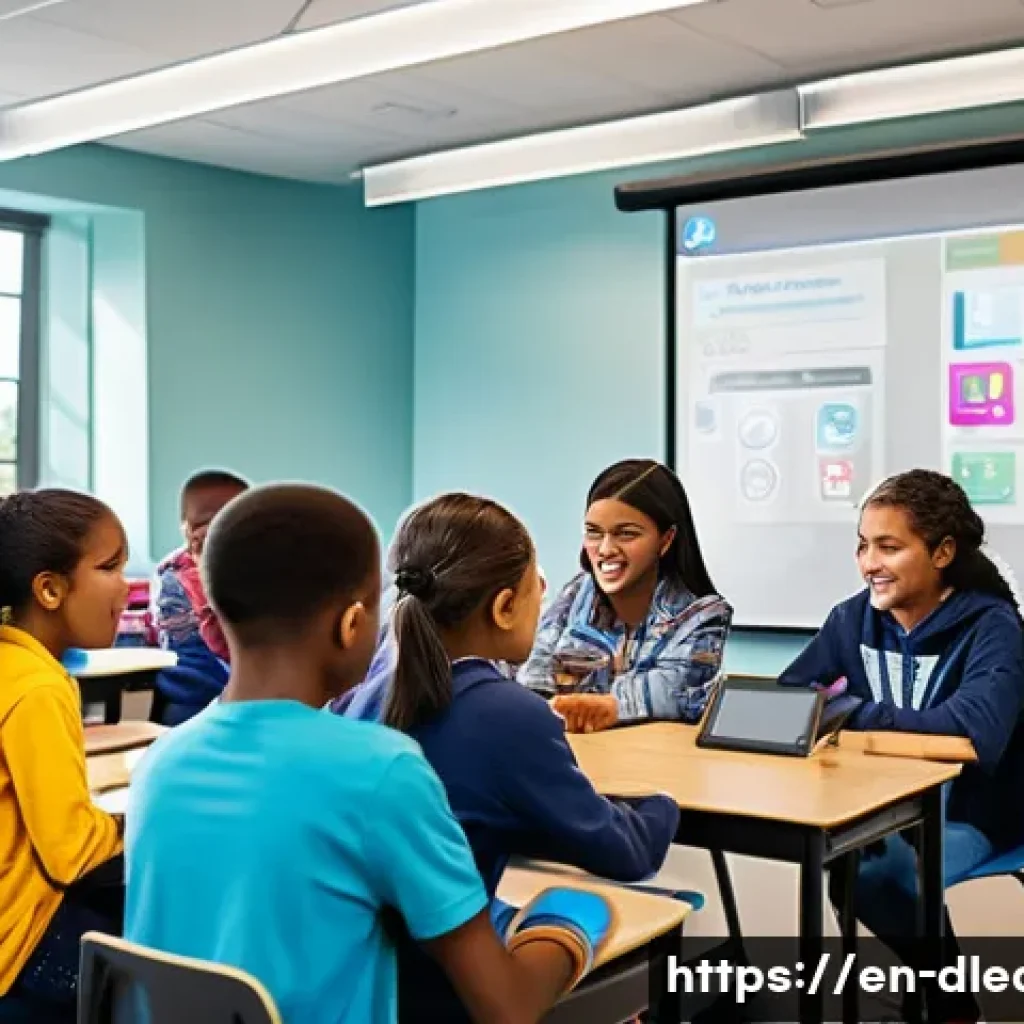
In today’s fast-paced world, digital teaching methods are transforming the way educators connect with learners. These innovative approaches leverage technology to create more engaging, personalized, and accessible learning experiences.
From interactive platforms to virtual classrooms, digital pedagogy is reshaping education on a global scale. As remote and hybrid learning become the norm, understanding these tools is essential for both teachers and students.
Let’s dive deeper and explore how digital teaching is revolutionizing education right now!
Embracing Interactive Learning Environments
How Gamification Boosts Student Engagement
Incorporating game-like elements into lessons has proven to be a game-changer for many educators. When students feel like they’re part of a challenge or quest, their motivation skyrockets.
For example, awarding points, badges, or unlocking levels can make mundane topics feel exciting and competitive in a healthy way. From my experience, students who might usually zone out suddenly become active participants when the lesson feels more like a game.
It also encourages friendly competition, collaboration, and goal-setting, which are crucial for deeper learning. Gamification isn’t just about fun—it actively supports retention and understanding by turning passive learning into an engaging adventure.
Utilizing Virtual Reality for Immersive Experiences
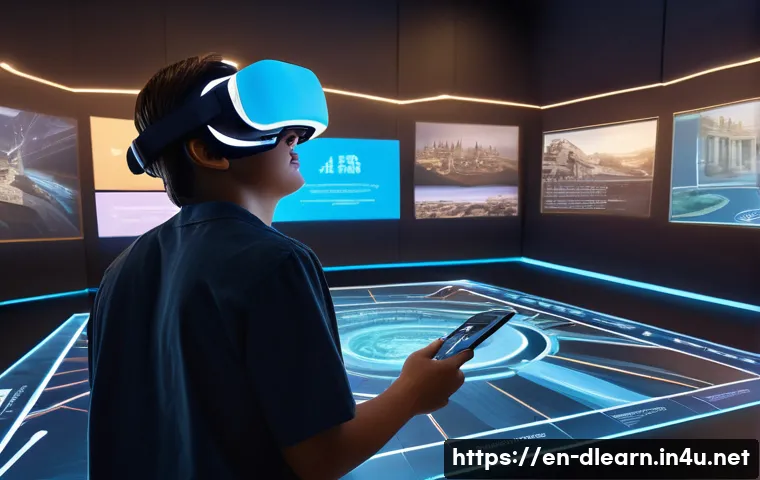
Virtual reality (VR) has taken digital teaching beyond screens and keyboards by immersing students in 3D environments. Imagine history lessons where students can virtually walk through ancient cities or science classes where they explore the human body from the inside.
The immersive aspect of VR helps learners absorb complex concepts by experiencing them firsthand. While the technology can be costly, I’ve noticed that even simple VR setups dramatically increase curiosity and participation.
It’s especially effective for visual and kinesthetic learners who benefit from interacting with content rather than just listening or reading.
Real-Time Collaboration Through Digital Whiteboards
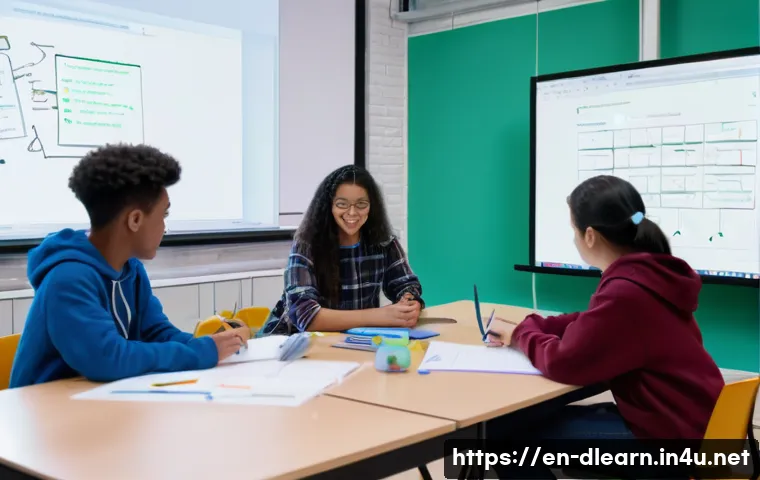
Digital whiteboards have revolutionized how teachers and students collaborate in real time, regardless of location. Unlike traditional chalkboards, these tools allow multiple users to draw, write, and brainstorm simultaneously on a shared virtual canvas.
From my perspective, this fosters a sense of community and immediacy that’s often missing in remote learning. Students can contribute ideas, ask questions, and receive instant feedback, which keeps the momentum going during lessons.
Plus, the ability to save and revisit these sessions means no brilliant insight is ever lost.
Personalized Learning Paths for Every Student
Adaptive Software Tailoring Content to Abilities
One of the most remarkable shifts in education is the ability of adaptive software to tailor lessons based on individual student performance. These programs analyze how a student answers questions, which topics they struggle with, and adjust difficulty accordingly.
From what I’ve seen firsthand, this approach prevents frustration that comes from one-size-fits-all teaching, allowing students to progress at their own pace.
It’s like having a personal tutor available 24/7, which is invaluable for reinforcing concepts outside classroom hours.
Data-Driven Insights to Support Learners
Teachers now have access to detailed analytics that track student engagement, progress, and even emotional responses during lessons. These data points help educators identify who might be falling behind or who needs more challenging material.
In practice, this means interventions can be more timely and targeted, rather than generic. I’ve witnessed classrooms where this insight led to tailored assignments and individualized support plans, which boosted overall academic outcomes dramatically.
Flexible Scheduling for Diverse Needs
Digital platforms allow students to learn when they’re most alert and ready, breaking away from rigid schedules. For working students or those with family responsibilities, this flexibility is a lifesaver.
I’ve observed that when learners can choose their own study times, they tend to retain information better and feel less stressed. This adaptability also supports different learning styles and paces, fostering inclusivity in education.
Enhancing Communication and Feedback Loops
Instant Messaging and Chatbots for Immediate Help
Gone are the days when students had to wait days for answers to simple questions. Instant messaging apps integrated into learning management systems allow quick clarifications, which keeps the flow of study uninterrupted.
Additionally, chatbots programmed with frequently asked questions provide 24/7 assistance, freeing up teachers to focus on more complex queries. I’ve personally found that this instant feedback dramatically reduces student frustration and increases their confidence to keep pushing forward.
Video Conferencing That Mimics In-Person Interaction
While video calls can’t fully replace physical classrooms, modern platforms with breakout rooms, polls, and reaction features make remote lessons surprisingly interactive.
Teachers can gauge understanding through live quizzes or encourage shy students to participate in smaller groups. From my experience, these tools create a dynamic environment where students feel seen and heard, which is crucial for engagement and motivation.
Constructive Feedback with Multimedia Tools
Providing feedback has evolved from written comments to include audio, video, and annotated documents. This variety allows teachers to communicate nuances more effectively and show examples visually.
I’ve noticed that students respond better when feedback feels personalized and clear, rather than generic remarks. Multimedia feedback also supports diverse learners, making correction and encouragement more accessible and less intimidating.
Bridging Accessibility Gaps for Inclusive Education
Assistive Technologies Supporting Diverse Learners
Digital teaching tools now incorporate features like text-to-speech, screen readers, and customizable fonts to help students with disabilities. In classrooms I’ve observed, these assistive technologies have been game-changers for students who otherwise might struggle silently.
They open doors to participation, allowing everyone to engage with material on equal footing. Moreover, these accommodations benefit all learners by providing options tailored to individual needs.
Language Translation Tools for Multilingual Classrooms
With globalization, classrooms often include students from various linguistic backgrounds. Real-time translation apps and subtitles in videos help break language barriers and ensure comprehension.
I’ve seen how these tools reduce isolation and frustration among non-native speakers, encouraging them to contribute more confidently. This also enhances peer collaboration and cultural exchange, enriching the learning environment.
Flexible Device Compatibility for Wider Reach
Ensuring educational content works seamlessly across smartphones, tablets, and computers is essential for accessibility. Not all students have access to the latest devices, so platforms optimized for various hardware ensure no one is left behind.
From my observations, schools that prioritize device compatibility see higher participation rates, especially in under-resourced communities where device variety is common.
Integrating Assessment with Learning Tools
Formative Assessments Embedded in Lessons
Modern digital tools allow teachers to embed quizzes, polls, and short assignments directly into lessons, providing immediate insights into student understanding.
This continuous assessment helps catch misconceptions early and adjust instruction accordingly. I’ve found this approach keeps students engaged since they receive instant feedback rather than waiting for formal exams.
Automated Grading to Save Teacher Time
Automated grading systems for objective questions reduce the burden on educators, allowing them to focus on personalized support. While not perfect for essays or creative work, these systems handle large volumes of tests efficiently.
I’ve noticed that when teachers have more time freed up, they can invest in better lesson planning and one-on-one interactions, which ultimately benefits students.
Portfolio-Based Evaluation for Holistic Views
Digital portfolios enable students to showcase their work over time, reflecting growth beyond test scores. These portfolios can include videos, projects, and reflections, offering a richer picture of learning.
I’ve seen how portfolios empower students to take ownership of their education and demonstrate skills in diverse ways, which is especially helpful for college admissions or job applications.
Cost-Effective Solutions for Widespread Adoption
Open-Source Platforms Reducing Financial Barriers
Many schools and educators turn to open-source learning management systems to avoid costly licenses. These platforms are customizable and often supported by vibrant communities.
In my experience, switching to open-source solutions has allowed institutions with limited budgets to implement comprehensive digital teaching without sacrificing quality.
Affordable Hardware Options for Classrooms
Instead of expensive devices, many educators opt for refurbished laptops or low-cost tablets to equip students. These options maintain functionality while keeping costs manageable.
I’ve witnessed classrooms where such hardware investments dramatically expanded digital access, helping bridge the digital divide.
Subscription Models Offering Scalable Access
Subscription-based services provide flexible pricing that can adjust to school size or student numbers. This scalability is attractive for both small and large institutions.
From what I’ve gathered, subscriptions also ensure regular updates and technical support, which enhance reliability and user satisfaction.
| Feature | Benefits | Challenges |
|---|---|---|
| Gamification | Increased engagement, motivation, retention | Needs thoughtful design to avoid distraction |
| Virtual Reality | Immersive learning, better concept understanding | High cost, technical complexity |
| Adaptive Software | Personalized pace, reduces frustration | Requires robust data privacy measures |
| Digital Whiteboards | Real-time collaboration, saves sessions | Dependent on stable internet |
| Assistive Technologies | Supports diverse learners, inclusivity | May require training for effective use |
| Automated Grading | Time-saving, quick feedback | Limited for subjective assessments |
글을 마치며
Interactive learning environments are transforming education by making it more engaging, personalized, and accessible. From gamification to assistive technologies, these tools empower both students and educators to reach their full potential. Embracing these innovations helps create inclusive classrooms where every learner can thrive. As technology continues to evolve, staying open to new methods will be key to future success.
알아두면 쓸모 있는 정보
1. Gamification not only boosts motivation but also fosters teamwork and goal-setting, turning lessons into fun challenges.
2. Virtual reality offers immersive experiences that make complex subjects easier to understand, especially for visual learners.
3. Adaptive software personalizes learning by adjusting difficulty in real time, helping students progress at their own pace.
4. Instant communication tools like chatbots and messaging apps provide quick support, reducing student frustration.
5. Open-source platforms and affordable hardware options can significantly lower costs while maintaining quality education.
중요 사항 정리
Integrating interactive technologies into education requires thoughtful implementation to balance engagement with focus. Personalization through adaptive learning and data insights ensures that teaching meets individual student needs effectively. Accessibility tools are essential for creating inclusive environments where all learners can participate equally. Additionally, cost-effective solutions and scalable platforms help institutions adopt digital education widely without compromising quality or support. Finally, continuous assessment and timely feedback keep students motivated and on track throughout their learning journey.
Frequently Asked Questions (FAQ) 📖
Q: How can digital teaching methods improve student engagement compared to traditional classrooms?
A: Digital teaching tools, like interactive platforms and multimedia content, offer dynamic ways to capture students’ attention. For example, quizzes, videos, and real-time polls make learning feel more like a conversation rather than a lecture.
From my experience, students are more motivated and involved when they can actively participate and receive instant feedback, which is harder to achieve in a conventional setting.
This engagement often leads to better understanding and retention of material.
Q: What challenges do educators face when implementing digital pedagogy, and how can they overcome them?
A: One of the biggest hurdles is the learning curve associated with new technologies, especially for teachers who aren’t tech-savvy. Connectivity issues and unequal access to devices can also limit effectiveness.
To overcome this, schools and educators need ongoing training and support, plus flexible lesson plans that can adapt to different levels of access. I’ve found that starting small—like integrating one digital tool at a time—and gathering student feedback helps ease the transition and build confidence.
Q: Is digital teaching effective for all subjects and age groups?
A: While digital teaching is incredibly versatile, its effectiveness can vary depending on the subject and the learners’ age. Younger students might benefit more from interactive, game-based learning to keep their attention, whereas older students often appreciate virtual classrooms that facilitate discussions and collaborative projects.
Subjects like science and art can leverage simulations and creative software, but hands-on activities remain crucial. In my experience, blending digital and traditional methods tailored to the specific needs of students yields the best outcomes.