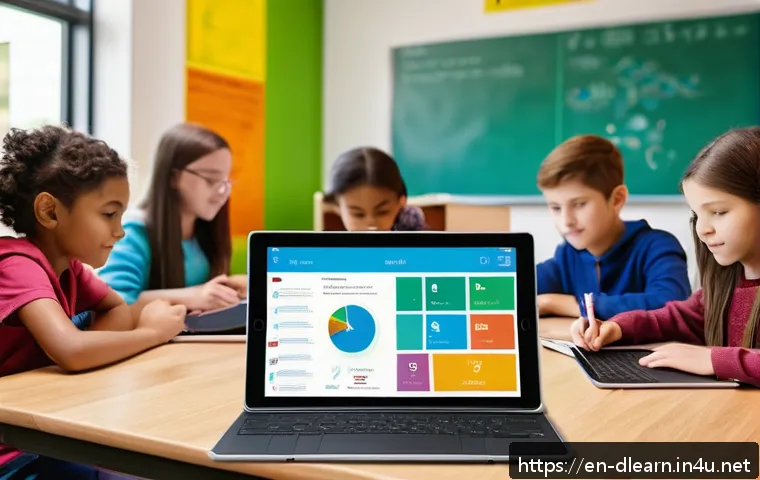
In today’s fast-evolving educational landscape, digital learning is no longer just about accessing information—it’s about engaging creativity to deepen understanding.

Innovative approaches like gamification, interactive simulations, and personalized content are transforming how we absorb and apply knowledge. These methods not only spark curiosity but also help learners develop critical thinking and problem-solving skills in a dynamic environment.
Having explored some of these techniques firsthand, I can say they truly make learning more exciting and effective. Let’s dive deeper and uncover how creative digital learning can reshape education for everyone!
Revolutionizing Engagement Through Interactive Tools
Immersive Simulations That Bring Concepts to Life
One of the most powerful ways digital learning has evolved is through immersive simulations. Unlike traditional textbook learning, simulations offer learners a chance to experiment in safe, virtual environments that mirror real-world scenarios.
For instance, a biology student can virtually dissect a frog, observing every detail without any mess or ethical concerns. From my experience, these hands-on virtual labs not only boost comprehension but also spark a genuine sense of curiosity.
You get to see cause and effect play out instantly, which is far more impactful than reading about it. The dynamic nature of simulations also caters to diverse learning speeds—students can pause, rewind, or repeat experiments until they fully grasp the concept.
Gamification: Turning Learning into a Challenge Worth Mastering
Gamification has taken the concept of “learning by doing” to a whole new level. By integrating elements like points, badges, and leaderboards, learners find themselves motivated to push further.
I’ve noticed that when learners feel a sense of achievement, even from small victories, it triggers dopamine release, making the experience enjoyable and memorable.
This psychological boost encourages continued engagement and perseverance, which is often missing in conventional education. What’s more, gamified platforms often provide instant feedback, allowing learners to adjust their strategies on the fly, fostering critical thinking and adaptability in a fun, stress-free environment.
Personalized Learning Paths Tailored to Individual Needs
No two learners are the same, and personalized content reflects this reality beautifully. Adaptive learning algorithms analyze a student’s strengths and weaknesses, then tailor content accordingly.
From my perspective, this is a game-changer. Imagine a student struggling with algebra who instead of slogging through generic lessons, receives targeted practice on weak areas while accelerating through concepts they already understand.
This approach respects individual pace and learning style, significantly reducing frustration and boosting confidence. Personalized learning also promotes autonomy, empowering students to take ownership of their educational journey and engage more deeply with the material.
Enhancing Critical Thinking Through Collaborative Technologies
Virtual Group Workspaces That Mimic Real-Life Collaboration
Collaboration is a key skill in today’s workforce, and digital learning tools have found innovative ways to replicate team dynamics online. Platforms offering shared workspaces, video conferencing, and real-time document editing enable learners to brainstorm, problem-solve, and create together—even when miles apart.
From my experience facilitating online study groups, these tools help break down communication barriers and encourage diverse perspectives. This fosters a richer understanding of material and nurtures interpersonal skills vital for future careers.
Plus, working in virtual teams teaches accountability and time management, as everyone must contribute and coordinate effectively.
Peer Feedback Systems That Foster Constructive Critique
Feedback is essential for growth, and digital platforms have integrated peer review mechanisms that encourage constructive criticism among learners. I’ve observed that when students evaluate each other’s work, they engage more critically with the subject matter themselves.
This reciprocal process builds analytical skills and empathy—understanding others’ viewpoints and offering helpful suggestions. Moreover, peer feedback systems often include rubrics or guidelines, ensuring comments stay respectful and focused on improvement.
Over time, learners develop a more refined eye for quality work and become better communicators, skills that extend well beyond academics.
Interactive Discussion Forums That Encourage Deep Reflection
Discussion forums remain a staple in online education, but today’s versions are far more dynamic and engaging. Unlike passive reading, these forums prompt learners to articulate their thoughts, respond to peers, and challenge assumptions.
I’ve found that well-moderated forums create a sense of community and belonging, which is crucial for motivation in digital environments. The asynchronous nature allows learners to think deeply before contributing, leading to richer, more thoughtful exchanges.
This reflective practice cultivates critical thinking and helps learners connect theoretical knowledge with real-world implications.
Leveraging Analytics to Optimize Learning Outcomes
Tracking Progress to Identify Strengths and Weaknesses
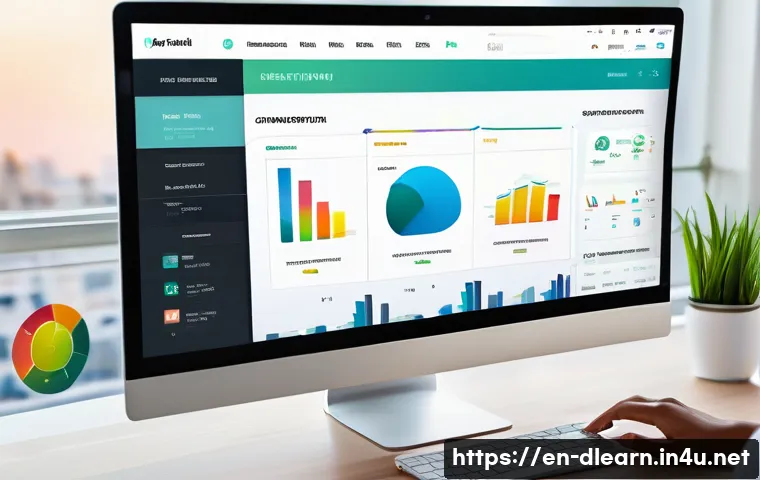
One of the less visible but incredibly impactful aspects of digital learning is the use of analytics to track student progress. Learning management systems collect data on quiz scores, time spent on tasks, and interaction patterns, providing educators and learners with clear insights into performance.
I’ve seen how this transparency allows for timely interventions—whether it’s extra practice on challenging topics or enrichment activities for advanced learners.
The ability to pinpoint exactly where a student struggles means resources can be allocated more efficiently, reducing wasted effort and frustration.
Predictive Analytics to Anticipate Learning Challenges
Going beyond simple tracking, predictive analytics use historical data to forecast potential difficulties before they fully manifest. For example, if a learner consistently underperforms on specific question types, the system can flag this early.
In my experience working with such tools, this proactive approach allows educators to tailor support and prevent disengagement. It also encourages self-awareness among learners, who can adjust study habits or seek help before falling behind.
Predictive analytics transform digital education from reactive to preventative, significantly improving retention and success rates.
Data-Driven Personalization for Continuous Improvement
Analytics don’t just inform where learners are—they guide where they should go next. Adaptive systems use ongoing data to refine content delivery in real-time, constantly optimizing the learning path.

From what I’ve observed, this continuous adjustment keeps learners challenged but not overwhelmed, maintaining an optimal zone for growth. The integration of data-driven insights with instructional design creates a feedback loop that benefits both students and educators, ensuring the digital learning experience evolves alongside individual progress.
Designing Content That Inspires Creativity and Exploration
Multimedia Elements That Engage Multiple Senses
Text alone can only do so much; incorporating videos, animations, and audio clips transforms passive reading into a multisensory experience. I’ve noticed that learners absorb information more deeply when they can see and hear concepts in action.
For example, history lessons enriched with documentary snippets or interactive maps bring context and emotion that words alone might miss. This sensory engagement caters to different learning preferences, making content accessible and captivating for a broader audience.
Multimedia also breaks monotony, keeping learners interested and reducing cognitive fatigue during long study sessions.
Project-Based Learning That Encourages Original Thought
Projects compel learners to apply knowledge creatively rather than simply memorizing facts. Digital platforms facilitate this by offering tools for designing presentations, coding apps, or even creating digital art.
From my own experience mentoring online projects, the freedom to explore and produce original work fosters a sense of accomplishment and ownership. It’s thrilling to see learners connect dots across disciplines and develop unique solutions to problems.
This kind of active learning strengthens critical thinking and nurtures innovation, skills essential for today’s rapidly changing world.
Open-Ended Questions That Stimulate Reflection and Dialogue
Rather than focusing solely on right or wrong answers, creative digital learning embraces open-ended questions that invite interpretation and debate. I find that these questions encourage learners to synthesize information, evaluate perspectives, and articulate nuanced viewpoints.
This approach transforms learners from passive recipients into active participants, deepening their understanding and promoting lifelong learning habits.
Discussions sparked by such questions often lead to unexpected insights and richer educational experiences, proving that curiosity-driven inquiry is at the heart of creativity.
Balancing Technology with Human Connection
The Role of Educators as Facilitators, Not Just Lecturers
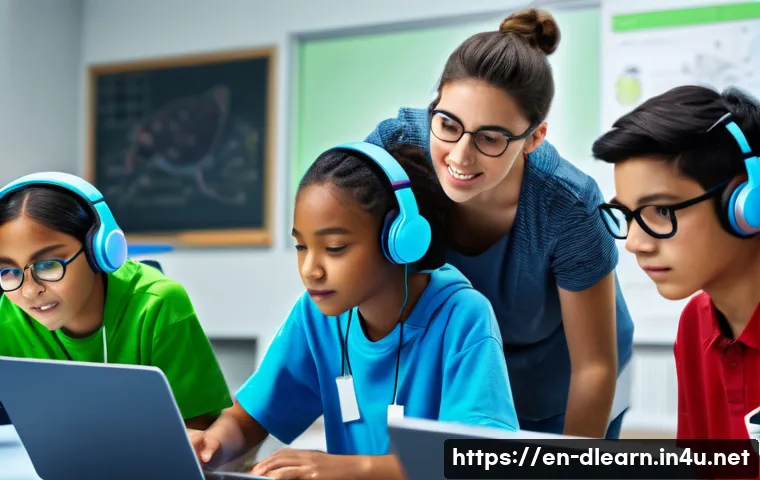
Despite the surge in digital tools, human interaction remains crucial. Educators today serve more as guides and mentors than traditional instructors. In my observations, this shift allows teachers to focus on fostering critical thinking and emotional intelligence, while technology handles content delivery.
Personalized feedback and encouragement from real people create a supportive environment that technology alone can’t replicate. This balance helps learners feel valued and understood, boosting motivation and resilience in the face of challenges.
Building Online Communities That Support Social Learning
Learning thrives in social contexts, and digital platforms have embraced this by enabling virtual communities. Whether through social media groups, chat channels, or collaborative projects, learners connect, share resources, and support each other.
I’ve seen firsthand how these communities reduce isolation, especially for remote learners, and create networks that extend beyond formal education. Such social learning environments foster empathy, cultural exchange, and teamwork, all of which enrich the educational experience and prepare learners for diverse workplaces.
Maintaining Balance to Prevent Digital Burnout
While technology opens incredible opportunities, it also poses risks like screen fatigue and burnout. From my personal experience, it’s vital to encourage breaks, offline activities, and mindful use of digital tools.
Educators and learners alike benefit from setting boundaries and promoting wellness practices alongside academic goals. This holistic approach ensures that digital learning remains sustainable, enjoyable, and effective over the long term.
Comparing Key Digital Learning Techniques and Their Benefits
| Technique | Main Benefit | Ideal Use Case | Potential Challenge |
|---|---|---|---|
| Immersive Simulations | Hands-on understanding of complex concepts | Science labs, medical training | Requires high-quality software and devices |
| Gamification | Increased motivation and engagement | Language learning, skill drills | May distract if overused or poorly designed |
| Personalized Learning | Customized pacing and focus | Remedial education, advanced learners | Needs sophisticated algorithms and data privacy |
| Collaborative Tools | Improved teamwork and communication | Group projects, peer review | Time zone and scheduling issues |
| Analytics | Data-driven progress tracking | Performance monitoring and intervention | Risk of over-reliance on metrics |
Conclusion
Digital learning is transforming education by making it more interactive, personalized, and engaging. Through innovative tools like simulations, gamification, and collaborative platforms, learners are empowered to take charge of their education in meaningful ways. Embracing these advancements can lead to deeper understanding, critical thinking, and sustained motivation for learners of all ages.
Useful Information to Keep in Mind
1. Immersive simulations allow learners to practice skills safely and gain hands-on experience without real-world risks.
2. Gamification boosts motivation by turning learning into an enjoyable challenge, encouraging persistence and focus.
3. Personalized learning paths adapt to individual needs, helping students progress at their own pace and reducing frustration.
4. Collaborative technologies foster teamwork and communication skills essential for modern workplaces.
5. Analytics provide valuable insights to track progress and tailor instruction, improving learning outcomes effectively.
Key Takeaways
Interactive digital tools not only enhance engagement but also support diverse learning styles and speeds. The integration of analytics enables timely interventions and personalized experiences, while collaborative features build essential social skills. Balancing technology with human connection ensures a supportive environment that promotes motivation and wellbeing. To maximize benefits, it’s crucial to use these tools thoughtfully, maintaining a focus on meaningful interaction and learner-centered approaches.
Frequently Asked Questions (FAQ) 📖
Q: How does gamification improve the learning experience?
A: Gamification turns learning into an engaging, interactive process by incorporating game-like elements such as points, badges, and challenges. From my experience, it transforms dull lessons into exciting quests, motivating learners to stay focused and complete tasks.
This approach not only boosts engagement but also encourages healthy competition and rewards progress, which helps reinforce knowledge retention in a fun, memorable way.
Q: What are the benefits of using interactive simulations in education?
A: Interactive simulations provide a hands-on learning environment where students can experiment and see real-time results without real-world risks. I’ve noticed that simulations help clarify complex concepts by allowing learners to visualize and manipulate variables directly.
This active involvement deepens understanding and sharpens problem-solving skills, making abstract ideas more concrete and easier to grasp.
Q: Can personalized content really make a difference in how people learn?
A: Absolutely. Personalized content tailors the learning journey to fit an individual’s pace, interests, and skill level, which keeps motivation high. When I’ve used platforms offering customization, the experience felt less overwhelming and more relevant, helping me focus on areas where I needed improvement.
This targeted approach reduces frustration and accelerates progress, making learning more efficient and enjoyable overall.