In today’s fast-paced world, digital learning offers unparalleled flexibility that traditional classrooms often can’t match. Whether you’re juggling work, family, or other commitments, online education lets you tailor your studies to fit your unique schedule.
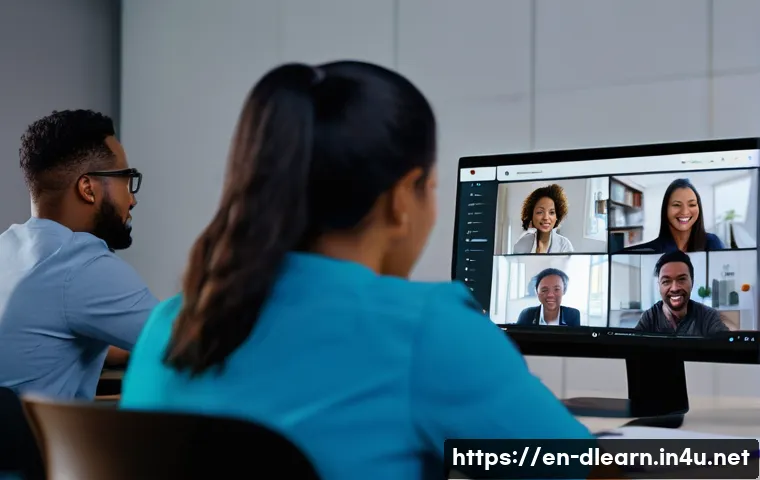
This adaptability not only enhances motivation but also opens doors to a wider range of courses and resources from anywhere in the world. Having experienced this myself, I can attest to how empowering it feels to learn at your own pace.
Let’s dive deeper into how digital learning’s flexibility is reshaping education and why it might be the perfect fit for you. I’ll make sure to explain everything clearly ahead!
Customizing Your Learning Environment to Boost Productivity
Finding Your Ideal Study Space
One of the best perks of digital learning is the freedom to choose where you study. Whether it’s a cozy corner at home, a bustling café, or even a quiet park bench, having control over your environment can massively impact your focus and motivation.
From my own experience, switching between different spots depending on the task at hand—like reading in a sunlit nook versus writing essays in a coffee shop—keeps things fresh and helps prevent burnout.
It’s amazing how a change of scenery can reset your brain and spark creativity, which traditional classrooms rarely offer.
Setting a Schedule That Works for You
Unlike rigid classroom timetables, online learning allows you to build a schedule around your natural rhythms and daily commitments. Are you a night owl who does your best thinking after midnight, or an early bird who thrives with morning study sessions?
Digital platforms let you decide. When I started organizing my coursework around my peak productivity hours, I noticed a huge jump in how much I retained and enjoyed the material.
Plus, this flexibility lets you accommodate work shifts, family time, or unexpected life events without falling behind, making learning less stressful and more sustainable.
Leveraging Technology to Personalize Study Habits
Digital learning tools often come with features like progress tracking, adaptive quizzes, and interactive content that adjust based on your performance.
These personalized elements help you focus on weak spots without wasting time on topics you’ve already mastered. I found that using apps with built-in reminders and goal-setting capabilities kept me accountable and encouraged me to push a bit harder each day.
This blend of autonomy and structure is something traditional classrooms struggle to provide consistently.
Expanding Access to Diverse Courses and Expertise Worldwide
Accessing Courses Beyond Geographic Limits
One of the game-changing aspects of online education is that you’re no longer confined by location. Want to take a specialized course from a top university across the globe?
It’s just a few clicks away. From my perspective, this opens up a world of possibilities that traditional schools simply can’t match, especially if you live in a small town or a country with limited academic offerings.
This global access means you can learn niche subjects or emerging technologies that might not yet be available locally, giving you a competitive edge.
Learning from a Wide Range of Experts
Digital platforms often bring together instructors from all over the world, offering diverse perspectives and teaching styles. I’ve personally benefited from this variety—having access to professors, industry leaders, and practitioners who share real-world insights that textbooks alone can’t provide.
This diversity enriches the learning experience and helps build a more well-rounded understanding of your subject.
Networking and Collaboration Across Borders
Even though you’re learning remotely, many online courses encourage interaction through forums, group projects, and live sessions. This creates opportunities to connect with peers from different cultures and professional backgrounds, expanding your network in ways that traditional classrooms might not facilitate as effectively.
I remember joining a discussion group with classmates from three continents, which not only enhanced my learning but also gave me fresh perspectives on global challenges related to the course content.
Balancing Responsibilities Without Sacrificing Learning Quality
Flexibility for Working Professionals
Juggling a full-time job and education can feel overwhelming, but online learning provides a practical solution. You can study during breaks, weekends, or any free time, turning otherwise lost moments into productive ones.
In my case, being able to pause lectures and revisit tricky sections meant I could learn without feeling rushed or stressed, which often happens when trying to fit classes into a strict schedule.
Supporting Family and Personal Life
For parents or caregivers, attending traditional classes can be a logistical nightmare. Online learning’s asynchronous nature means you can fit study sessions around family needs, whether it’s helping with homework, cooking dinner, or dealing with emergencies.
I’ve seen friends thrive by embracing this flexibility, which ultimately leads to better academic outcomes because they’re not forced to choose between personal life and education.
Maintaining Quality Through Self-Discipline
While flexibility is a major advantage, it requires self-motivation and time management skills to avoid procrastination. I’ve learned firsthand that setting clear goals and deadlines, even if they’re self-imposed, helps keep momentum going.
Many platforms offer tools to help with this, but ultimately, your success depends on how you take ownership of your learning journey.
Harnessing Multimedia and Interactive Content for Deeper Engagement
Visual and Audio Learning Materials
Digital courses often incorporate videos, podcasts, and infographics, which cater to different learning styles. Personally, I found that watching short, well-produced videos explaining complex concepts made the material easier to digest compared to dense textbooks.
The ability to pause, rewind, and re-watch content also allowed me to study at my own pace and reinforce understanding.
Interactive Quizzes and Simulations
Many online courses include interactive quizzes that provide immediate feedback, which is crucial for effective learning. I appreciated how these quizzes helped me identify weak areas early, allowing me to focus my efforts more efficiently.
Some courses even offer simulations or gamified elements, turning learning into a more engaging and less monotonous experience.
Discussion Boards and Peer Feedback
Engaging with peers through online forums adds another dimension to digital learning. I’ve often found that explaining concepts to others or debating ideas in discussion threads deepens my own understanding.
Plus, receiving feedback from a diverse group of learners can challenge your assumptions and encourage critical thinking.

Cost Efficiency and Resource Availability in Online Learning
Lower Tuition and Reduced Ancillary Expenses
Online programs often come with significantly lower tuition fees compared to traditional colleges, and you save on commuting, housing, and textbook costs.
From my experience, this affordability makes higher education accessible to a broader audience. It’s a huge relief not having to worry about hefty student loans or daily travel expenses, which can be a barrier for many.
Access to a Wealth of Free and Low-Cost Resources
The internet is packed with free educational content—MOOCs, open textbooks, webinars, and podcasts—that supplement formal courses. I regularly tap into these resources to deepen my knowledge without spending extra money.
This abundance of materials means you can customize your learning experience beyond what’s provided in your course.
Table: Comparing Costs and Benefits of Online vs. Traditional Education
| Aspect | Online Learning | Traditional Classroom |
|---|---|---|
| Tuition Fees | Generally lower; many free courses available | Often higher, with additional fees |
| Commuting Costs | None; study from anywhere | Regular commuting expenses |
| Learning Schedule | Flexible, self-paced | Fixed class times |
| Access to Courses | Global and diverse offerings | Limited to local institutions |
| Interaction | Virtual forums, live sessions | In-person discussions |
| Resource Availability | Extensive online libraries and multimedia | Physical libraries, limited hours |
Building Lifelong Learning Habits with Digital Tools
Developing Self-Directed Learning Skills
Online education forces you to become more proactive about your learning, which is a valuable skill beyond school. I noticed that managing deadlines, seeking out additional materials, and troubleshooting technical issues helped me become more independent and resourceful.
These traits have proven useful in my professional life as well, where continuous learning is essential.
Tracking Progress and Celebrating Milestones
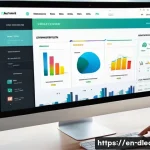
Many platforms provide dashboards that let you monitor your course completion and quiz scores. I found this feature motivating because it gave me tangible evidence of my progress.
Celebrating small wins, like finishing a module or mastering a difficult concept, kept me engaged over the long haul.
Adapting to Future Learning Opportunities
Once you get comfortable with digital learning, it’s easier to pick up new skills or certifications whenever needed. This adaptability is crucial in today’s fast-evolving job market.
From personal experience, being able to quickly enroll in refresher courses or new topics online has helped me stay competitive and confident in my career growth.
Overcoming Challenges and Staying Motivated in Remote Learning
Dealing with Distractions and Isolation
Studying from home or other remote locations can come with distractions and feelings of loneliness. I struggled with this initially, but setting boundaries—like designated study times and turning off social media notifications—helped a lot.
Joining online study groups also eased the isolation, giving me a sense of community.
Maintaining Consistency and Avoiding Burnout
Without the structure of in-person classes, it’s easy to procrastinate or overwork yourself. I learned that balancing study with breaks and physical activity was key to staying consistent without burning out.
Creating a routine that mixes focused work and relaxation keeps motivation high.
Seeking Support When Needed
Many digital platforms offer tutoring, counseling, and tech support, but it’s up to the learner to reach out. I found that asking for help early when I hit roadblocks saved me time and frustration.
Building a support network of instructors, peers, and family also made the experience less daunting and more rewarding.
Closing Thoughts
Customizing your learning environment truly empowers you to take control of your education journey. By embracing flexibility, technology, and diverse resources, you can enhance productivity and stay motivated. Remember, the key to success lies in balancing discipline with adaptability to make the most of online learning opportunities.
Useful Tips to Keep in Mind
1. Experiment with different study locations to find where you focus best and keep your routine fresh.
2. Align your study schedule with your natural energy peaks to maximize retention and enjoyment.
3. Use digital tools like progress trackers and reminders to stay organized and motivated.
4. Engage actively with peers and instructors through forums and group projects to deepen understanding.
5. Set clear goals and deadlines to maintain momentum and avoid procrastination in a flexible learning environment.
Key Takeaways
Online learning offers unmatched flexibility and access to global expertise, making education more accessible and personalized. Success depends on creating a productive study environment, managing time effectively, and leveraging interactive tools to stay engaged. Building a strong support system and maintaining self-discipline are essential to overcoming challenges and achieving your learning goals.
Frequently Asked Questions (FAQ) 📖
Q: How does digital learning offer more flexibility compared to traditional classrooms?
A: Digital learning allows you to study anytime and anywhere, which is a huge advantage over fixed schedules in traditional classrooms. You can fit your coursework around your job, family, or other personal commitments without feeling rushed.
From my experience, this freedom to create your own timetable reduces stress and keeps motivation high because you’re in control of when and how you learn.
Q: Can I access a wide variety of courses through digital learning platforms?
A: Absolutely! One of the biggest perks of online education is the sheer range of courses available worldwide. Whether you want to learn coding, photography, business, or even niche hobbies, there’s likely a program tailored to your interests.
This variety means you’re not limited by location or local availability, opening doors to expertise and resources you might never find in a traditional setting.
Q: Is learning at my own pace really effective?
A: Yes, learning at your own pace can be incredibly effective, especially if you’re balancing multiple responsibilities. When I first started online courses, being able to pause, rewind, or speed up lessons helped me grasp complex topics better than in a fast-moving classroom.
It also lets you spend extra time on subjects you find challenging, which leads to deeper understanding and better retention overall.